
Enter the celebration
Damba is celebrated across several northern Ghanaian kingdoms, with especially prominent events in Dagbon. Its calendar is linked to the Islamic month of Rabi al-Awwal, while its public ceremonies also affirm chieftaincy, family histories and community ties.
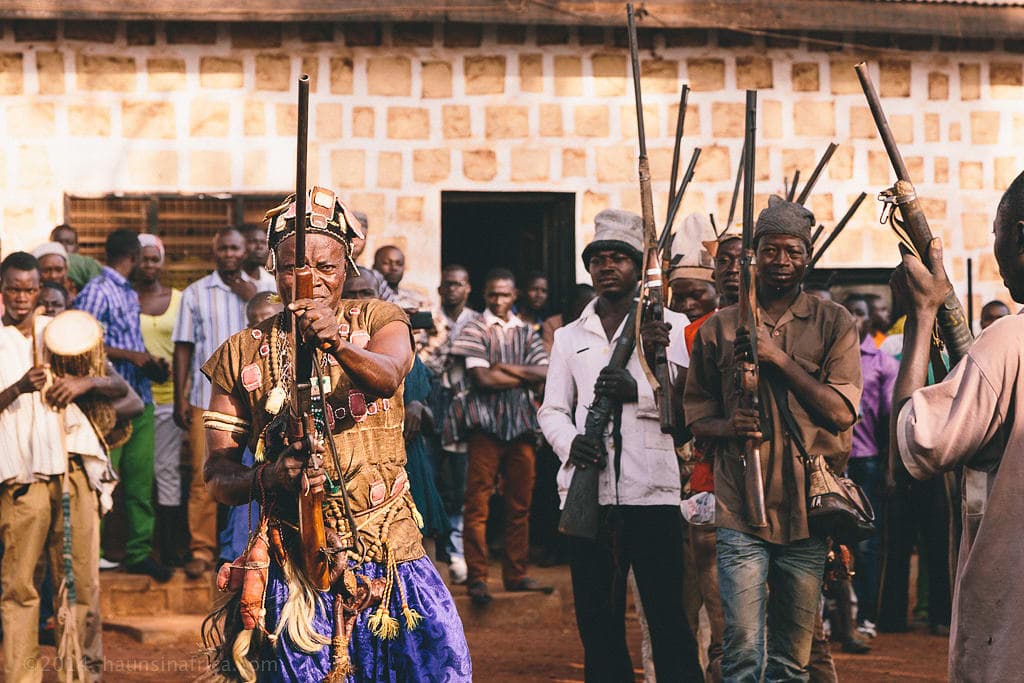
Drumming begins before the main durbar. Lunsi praise drummers carry genealogies and accounts of earlier rulers in rhythm and speech. On the festival day, chiefs and skilled riders appear on decorated horses, creating the scene most visitors associate with Damba.
The celebration is both religious and royal, and local forms vary between Dagomba, Mamprusi, Gonja and other communities. In Yendi, visitors should follow palace guidance, keep a safe distance from horses and remember that the gathering is part of a living system of authority.
The sound of history
Lunsi drummers are historians as well as musicians. Their drum language and recitations preserve genealogies, praise names and accounts of earlier rulers. During Damba, that knowledge surrounds the court and reminds listeners that the present chief stands within a long line of relationships and obligations.
Horses, dress and public space
The horse procession draws attention because it combines speed, skill and carefully assembled dress. Riders wear smocks and other regalia while horses carry bright cloth and leather ornaments. The display recalls northern states in which cavalry carried military and political importance. Today the procession creates a powerful shared space for chiefs and the public, but horses can turn suddenly; visitors should stand where stewards direct and avoid reaching into the route for photographs.
Reflections
0