
Meaning, memory and identity
"God Bless Our Homeland Ghana" is the national anthem adopted at independence on 6 March 1957. Composed by Philip Gbeho, it calls on all Ghanaians to uphold the ideals of freedom, unity and service to the nation.
God Bless Our Homeland Ghana: The National Anthem
"God bless our homeland Ghana, And make our nation great and strong, Bold to defend for ever The cause of freedom and of right. Fill our hearts with true humility, Make us cherish fearless honesty, And help us to resist oppressors' rule With all our will and might for evermore."
Stanza II
Hail to thy name, O Ghana, To thee we make our solemn vow: Steadfast to build together A nation strong in Unity; With our gifts of mind and strength of arm, Whether night or day, in mist or storm, In every need, whate'er the call may be, To serve thee, Ghana, now and for evermore.
Stanza III
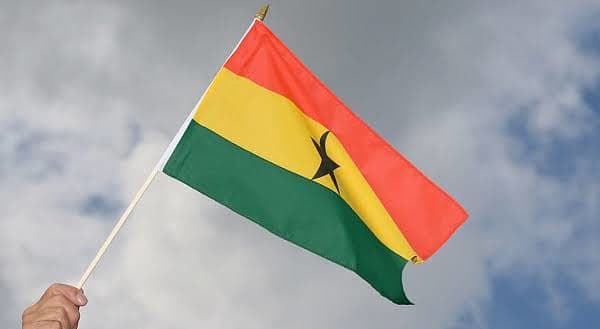
Raise high the flag of Ghana and one with Africa advance; Black star of hope and honour To all who thirst for liberty; Where the banner of Ghana freely flies, May the way to freedom truly lie; Arise, arise, O sons of Ghana land, And under God march on for evermore!
History and Significance: Ghana's national anthem was composed by Philip Gbeho, a musician and civil servant from the Gold Coast. When Ghana became the first sub-Saharan African country to gain independence from British colonial rule on 6 March 1957, under the leadership of Kwame Nkrumah, the new nation needed a symbol of its identity and sovereignty. Gbeho's composition was chosen to serve this purpose. The anthem is performed at state occasions, national celebrations, sports events, and in schools across the country. It opens and closes Ghana Broadcasting Corporation (GBC) television and radio broadcasts daily.
The Themes: The anthem speaks to three core values that underpin Ghana's national identity:
1. Faith and Divine Guidance: The opening words "God Bless Our Homeland Ghana" reflect the deeply spiritual nature of Ghanaian society and the belief that the nation's progress depends on divine favour.
2. Freedom and Justice: The anthem repeatedly references the cause of freedom and resisting oppression, a direct reference to Ghana's liberation from colonial rule and the Pan-African spirit of the era.
3. Humility and Integrity: The second verse calls on Ghanaians to cultivate "true humility" and "fearless honesty," values essential to building a just and equitable society.
Philip Gbeho (1904–1982) was born in the Volta Region of Ghana. He was a prolific composer, musician and cultural figure who contributed enormously to Ghanaian music. Beyond the national anthem, he composed other notable pieces and championed the integration of indigenous Ghanaian musical elements into formal composition. He received the Order of the Volta, one of Ghana's highest honours, for his contributions.
Versions and Language The anthem is officially sung in English, the official language of Ghana. Over the years, versions in Twi and other Ghanaian languages have been produced for educational purposes, though the English version remains the official one used at state functions.
The symbol in context
Photos, recordings and films from the collection
Audio recordings
1Prepared by Me Man Ghana Editorial Team
Learn at your level
Work through Beginner, Intermediate and Scholar questions without repeating the same prompt.
Community classroom
Join the conversation
Share a reflection, ask a question, or add what you know.
Sign in to save progress and join the discussion.
No reflections yet. Start the conversation.
Reflections
0