
Ghanaian independence grew from decades of political organisation. Earlier groups defended land rights and pressed for African representation, while the United Gold Coast Convention, founded in 1947, demanded self-government. The violence of February 1948 and the colonial response accelerated constitutional change.
Kwame Nkrumah broke with the UGCC and founded the Convention People's Party in 1949 around the demand for “self-government now.” After the Positive Action campaign, he was imprisoned. The CPP's victory in the 1951 election led to his release and to his leadership of government business under a constitution that gradually expanded internal self-rule.
Further elections in 1954 and 1956 gave the CPP mandates to pursue independence, although debates continued over regional representation and the structure of the new state. Britain passed the Ghana Independence Act, and the Gold Coast and British Togoland became the independent state of Ghana on 6 March 1957.
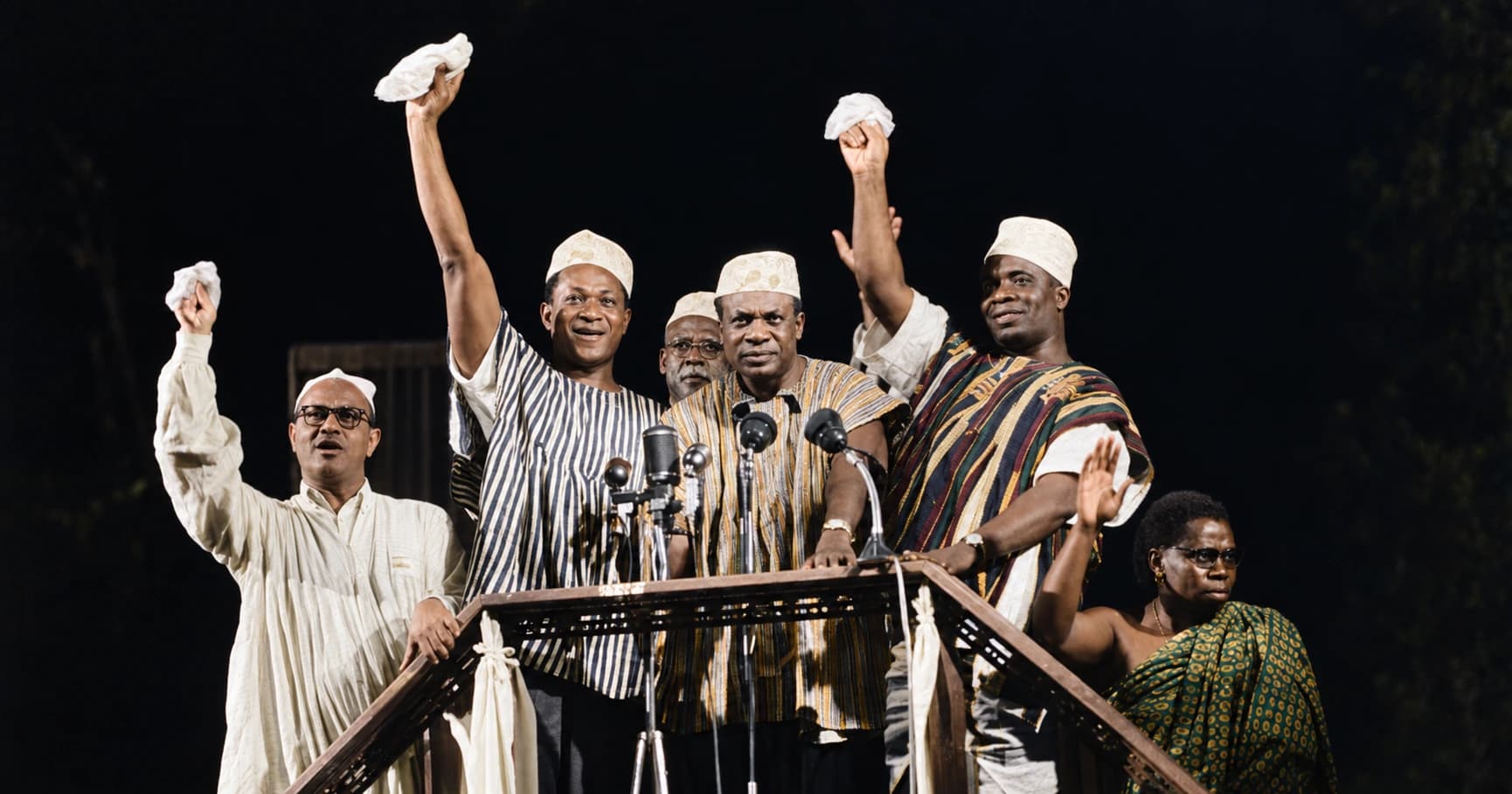
At the Old Polo Grounds in Accra, Nkrumah and his colleagues addressed crowds as independence arrived at midnight. Ghana initially remained a constitutional monarchy within the Commonwealth, with Nkrumah as prime minister. It became a republic on 1 July 1960, when he became president.
Ghana's achievement was a landmark in the decolonisation of Africa. Its government supported other liberation movements and hosted Pan-African gatherings. Independence did not end political disagreement or economic difficulty, but it established Ghanaian sovereignty and gave new momentum to anticolonial movements across the continent and diaspora.
Reflections
0