
Everyday life
The Ghana cedi: where the name comes from
The cedi was introduced in 1965 and takes its name from a word for cowrie shells. In 2007, 10,000 old cedis became one Ghana cedi.
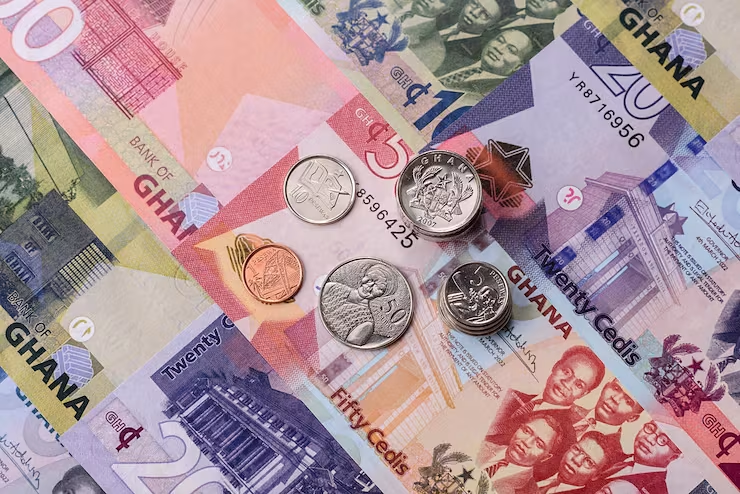
Ghana’s money is the Ghana cedi, written GH₵, and it is divided into pesewas. Both names come from Ghana’s own history of money.
Cowries and gold dust
According to the Bank of Ghana, the name “cedi” comes from the word “sedie”, meaning cowrie: small shells that were once used as money. The pesewa was the smallest unit of the old gold-dust currency, and the name was chosen to replace the British colonial penny.
1965: from pounds to cedis
Cedi notes and pesewa coins were introduced on 19 July 1965, replacing the Ghana pound, shillings and pence used since independence.
2007: four zeros removed
By the 2000s, prices had become so large that everyday sums ran into thousands and millions of cedis. In 2007, the Bank of Ghana redenominated the currency: 10,000 old cedis became one new Ghana cedi, and the subunit became the Ghana pesewa. The value of people’s money did not change; only the numbers became smaller. The Bank said the change would make accounts, records and computer systems easier to manage.
Why it still matters
You may still hear older people quote prices in the old units, so “ten thousand” can mean one Ghana cedi in conversation.
Sources and further reading
- Bank of Ghana: Evolution of currency in Ghana
- PwC Ghana: Redenomination of the cedi
- Central Banking: Bank of Ghana annual report 2006
Facts can change. If you spot something that needs updating, send us a correction.