
Shito is more than a hot sauce. It is the jar that makes a quick meal feel complete, the familiar taste packed for a journey and a recipe through which cooks express patience and personality. This guide introduces Ghana’s famous pepper sauce without pretending that one version represents every home.
1. What shito is
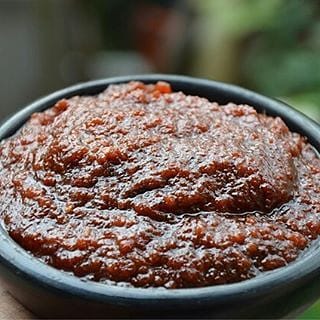
Shito is Ghana’s deeply savoury pepper sauce: dark, rich, hot and full of flavour. Its name comes from the Ga word for pepper. Many people use “shito” for the cooked black sauce, although Ghana also has fresh red and green pepper sauces. A spoonful can transform a simple plate of rice, kenkey, gari or fried yam.
There is no single household formula. Some shito is smooth and oily; some is coarse enough to show pieces of onion or dried seafood. Heat levels range from gentle to fierce. Family recipes, commercial brands and food vendors each find their own balance of chilli, sweetness, salt, smoke and umami.
Buying and eating it
Start with a small spoonful. Shito can be much hotter than its dark colour suggests.
2. The ingredients behind the flavour
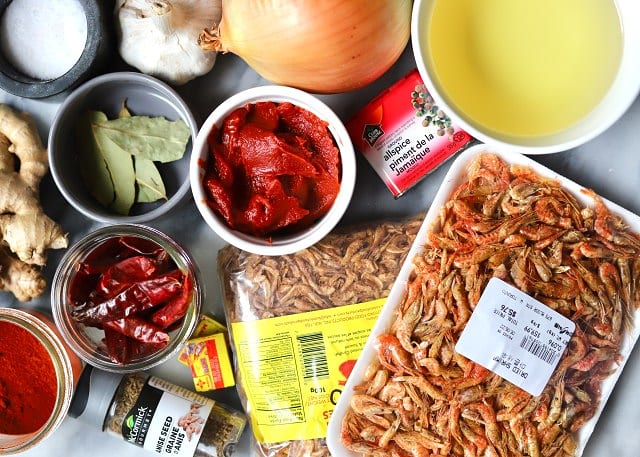
A typical black shito begins with plenty of onion cooked in oil, then builds flavour with ginger, garlic, dried chilli and tomato. Dried fish and dried shrimp are common and give the sauce its unmistakable savoury depth. Spices differ from one cook to another, and the exact mixture is often part of a family or producer’s identity.
The ingredients tell a wider Ghanaian food story. Coastal fish preservation, market trade, pepper cultivation and patient home cooking all meet in one jar. Modern producers also make fish-free versions, but these should be clearly labelled rather than assumed. Shito develops through slow cooking. The onions and aromatics are fried patiently so their moisture reduces and their flavours deepen. Pepper, tomato and ground dried seafood are added in stages, and the mixture is stirred as it darkens. Rushing can leave a raw onion taste or cause the sauce to catch at the bottom of the pot.
The finished sauce is concentrated rather than watery. Oil carries the spices and helps give shito its characteristic sheen. Cooling is also part of the process: the sauce should cool properly before it is packed into clean, dry containers.
Buying and eating it
Traditional shito commonly contains fish or shellfish. Check the label or ask the cook if you have allergies or follow a vegetarian or vegan diet.
3. Rice, banku, noodles, gari and everyday meals
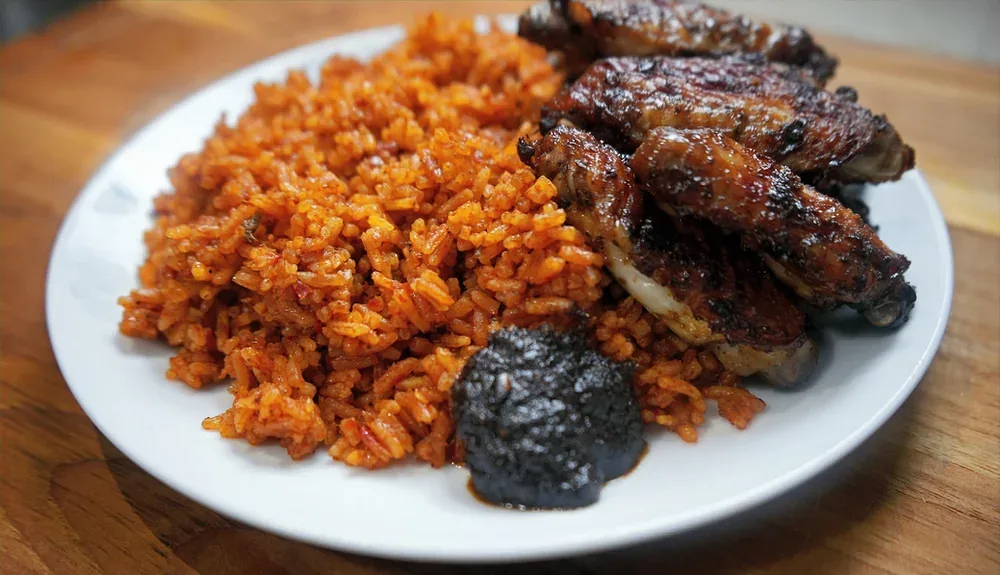
Plain rice, fried rice, waakye, jollof, fried yam, kenkey, and banku all welcome shito, though each pairing behaves differently. Shito gives plain rice an instant centre of flavour, adds heat to fried rice and sharpens an already seasoned plate of jollof. It is also eaten with angwamo or oil rice, often alongside egg, sardines or avocado.
In many homes, shito is the dependable answer for gari and beans, instant noodles, spaghetti, boiled eggs, sardines and packed lunches. It can accompany banku with fish or sit beside grilled chicken, kebabs and other savoury foods. The useful rule is simple: begin with a little and let the food determine how much more it needs.
Buying and eating it
Shito is concentrated and can be salty as well as hot. Use it as a condiment, check seafood ingredients, and follow the storage directions on the jar.
Respect the recipe, ask about the ingredients
Shito recipes belong to living households and businesses. When documenting a cook’s method, ask permission before photographing, recording or publishing it. Credit the maker, preserve the name they use for their sauce and do not describe one recipe as the only authentic version.
Community classroom
Join the conversation
Share a reflection, ask a question, or add what you know.
Sign in to save progress and join the discussion.
No reflections yet. Start the conversation.
Reflections
0