
Ghana’s drinks tell stories of grain, flowers, palms, farming, trade and hospitality. Some cool the body on a hot afternoon; others are filling enough to stand beside breakfast; fermented and distilled drinks can carry ceremonial meaning. This guide separates the drinks clearly while recognising that names and recipes vary between communities and makers.
1. Sobolo (hibiscus drink)
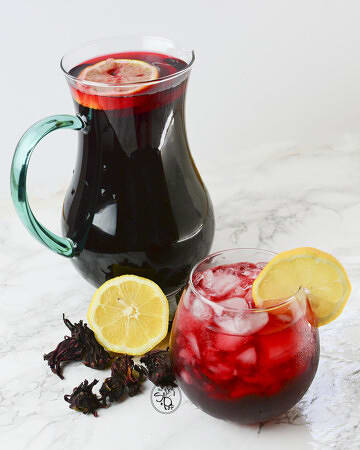
Sobolo is a deep red drink made by steeping dried roselle calyces, often called hibiscus, with water and spices. Ginger and cloves are familiar additions, while pineapple peel, grains of selim or other aromatics may appear in family and commercial recipes. The strained drink is sweetened to taste and served cold.
Its bright colour makes sobolo easy to recognise at parties, markets, restaurants and family gatherings. It can taste tart and refreshing or richly spiced, depending on how the maker balances hibiscus, ginger and sugar.
Buying and drinking it
Choose a chilled bottle from a clean source and check the sugar level when possible. Recipes vary, so ask about added flavours or sweeteners.
2. Asaana (caramelised maize drink)
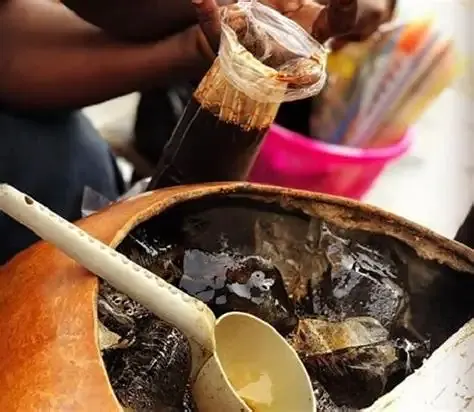
Asaana is a dark, refreshing maize drink strongly associated with southern Ghana. Maize is soaked and fermented, then cooked and strained. A dark caramelised sugar syrup gives the finished drink its recognisable brown colour and toasted sweetness.
The flavour carries a gentle fermented tang beneath the caramel. Asaana is commonly served very cold and may be poured over ice. Though the method sounds simple, controlling fermentation, straining and caramelisation requires experience to produce a clean flavour without bitterness.
Buying and drinking it
Buy asaana cold from a vendor who uses safe water and clean bottles. It is usually sweetened, so portion size matters for people limiting sugar.
3. Brukina (millet and milk drink)
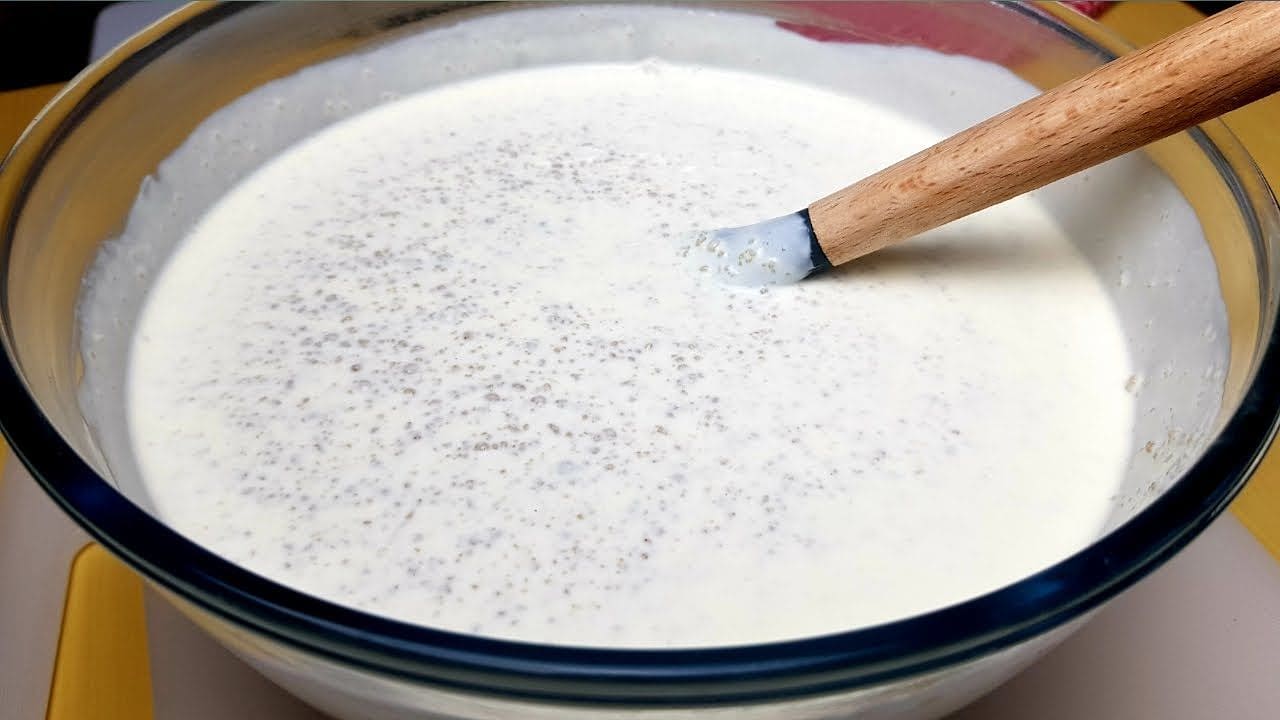
Brukina is a substantial drink made with cooked or fermented millet grains and milk. It is especially associated with northern Ghana and has become popular across the country. The drink is creamy, lightly tangy and textured, with soft grains of millet in every mouthful.
Sugar is often added, and some makers enrich it with milk powder or flavouring. Brukina sits between refreshment and food: a cold bottle can be filling enough for breakfast, a work break or a quick meal on the move.
Buying and drinking it
Brukina contains milk and may continue changing as it warms. Keep it refrigerated, check the date and avoid bottles that are swollen, leaking or smell unexpectedly sour.
4. Ice kenkey
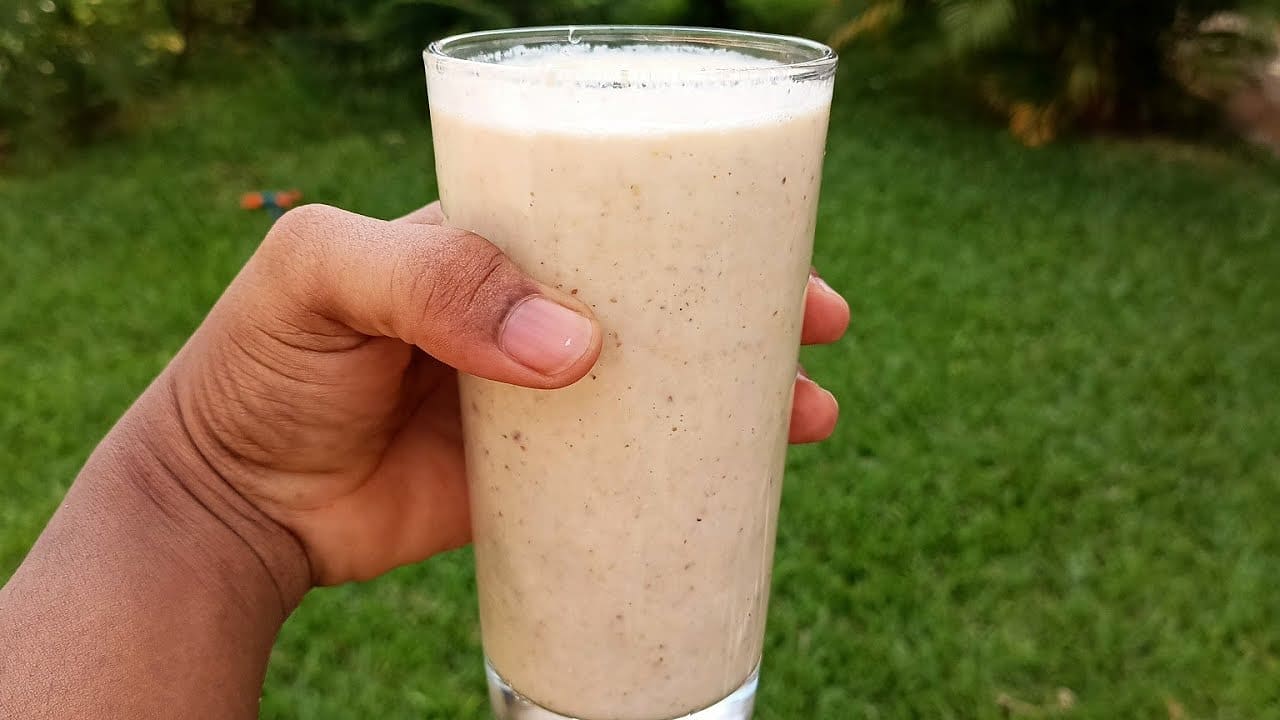
Ice kenkey turns cooked fermented-maize kenkey into a cold drink. The kenkey is broken down and blended with water until smooth enough to drink, then sweetened and flavoured. Milk, groundnuts, nutmeg or other additions may be used according to the maker.
The result is creamy, slightly sour and filling. It preserves the fermented character of kenkey while presenting it as a chilled street drink or dessert. Homemade versions can be thick and grainy; packaged versions may be smoother and sweeter.
Buying and drinking it
Ask whether the drink contains milk or groundnuts. Keep it chilled and shake only when the bottle is properly sealed.
5. Fresh coconut water
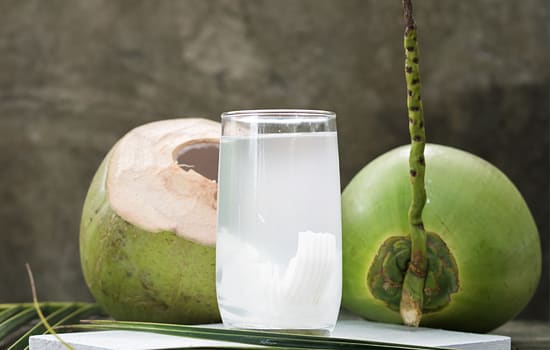
Fresh coconut water is one of Ghana’s simplest natural refreshments. A seller opens a young coconut to reveal the clear, mildly sweet liquid inside. After drinking, the shell can be split so the soft coconut flesh can be scooped out and eaten.
Coconuts are sold along roads, at markets and near beaches, especially in areas where the fruit is readily available. The drink needs no elaborate recipe; freshness, skilled cutting and a clean serving method are what matter.
Buying and drinking it
Watch the vendor open the coconut with clean tools and take care around the cut shell. Drink it soon after opening rather than leaving it in the heat.
6. Pito — fermented millet or sorghum drink
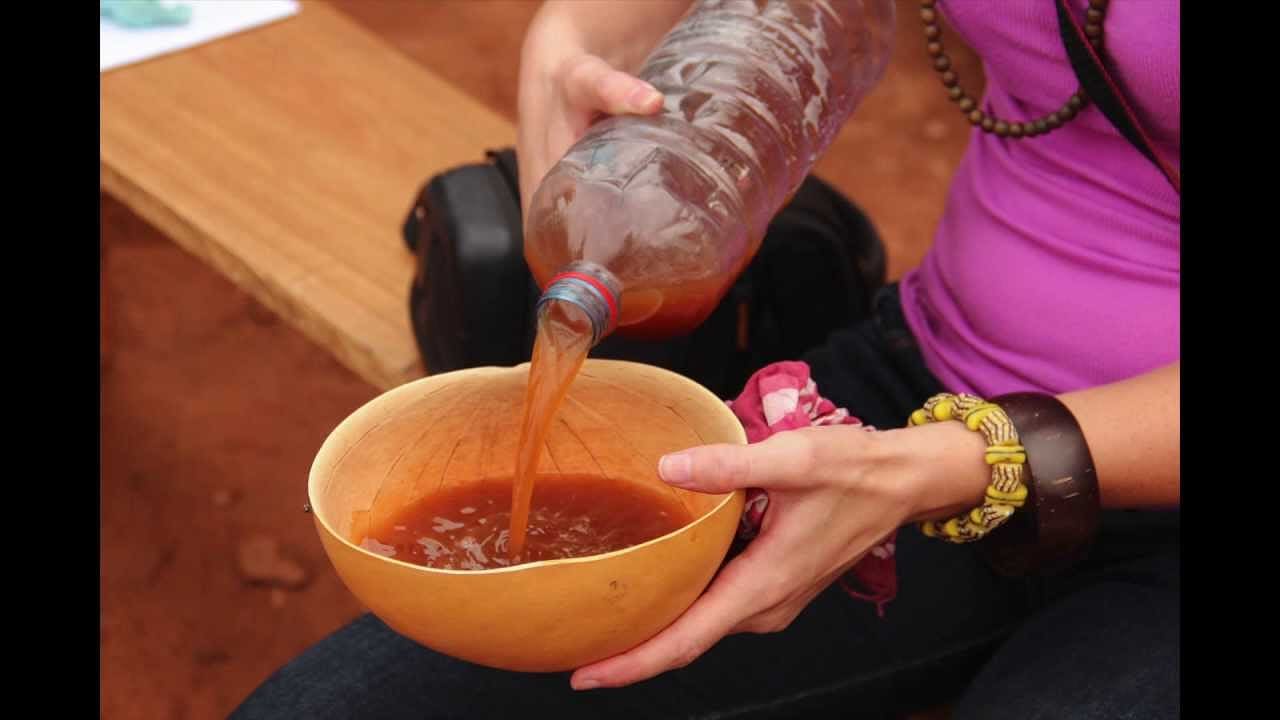
Pito is a traditional fermented grain drink associated especially with northern Ghana. Millet or sorghum is malted, brewed and fermented through a process that draws on knowledge passed between generations. It is often served in a calabash, and its flavour can be gently sour, malty and lightly smoky.
Pito appears in hospitality, community gatherings, festivals and ceremonies. The strength and character vary with the grain, fermentation and maker, so it should not be treated as a standard commercial beer with one predictable alcohol level.
Buying and drinking it
Pito contains alcohol and is for adults only. Drink from a trusted hygienic source, take a modest amount, and never drink before driving.
7. Nsafufuo (Palm wine) — fresh sap that ferments
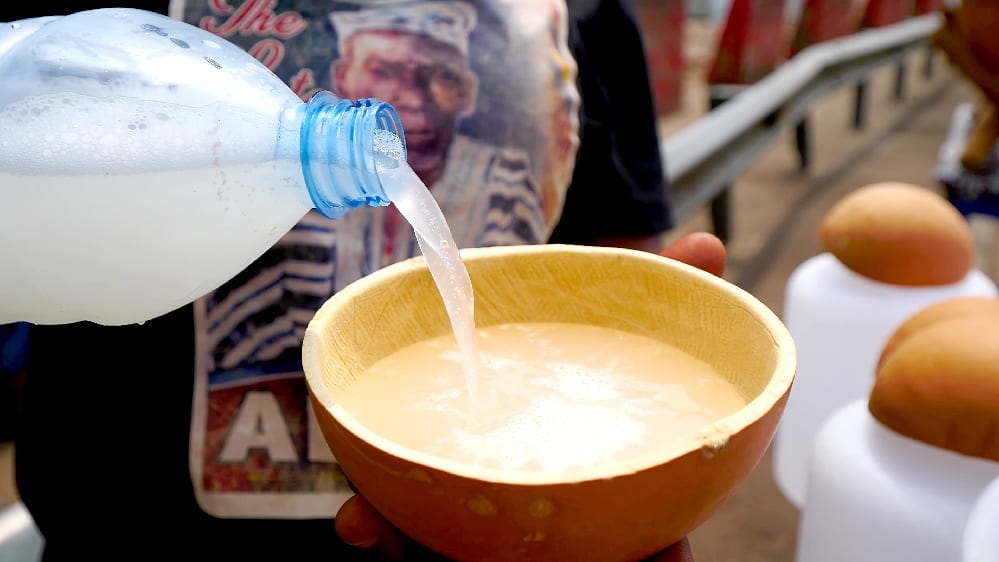
Palm wine begins as pale sap collected by skilled tappers from palm trees. When very fresh it can taste sweet and lightly yeasty. Natural fermentation begins quickly, making the drink increasingly sour and alcoholic as time passes.
In Ghana, palm wine can carry social and ceremonial meaning. It may welcome guests, accompany gatherings and appear in customary rites, marriage ceremonies, festivals or libation practices. The details belong to particular communities and should be described with care rather than treated as one national ritual.
Buying and drinking it
Palm wine can contain alcohol even when it tastes sweet. It is for adults, spoils quickly and should come from a clean, trusted source.
8. Lamugin (spiced ginger drink)
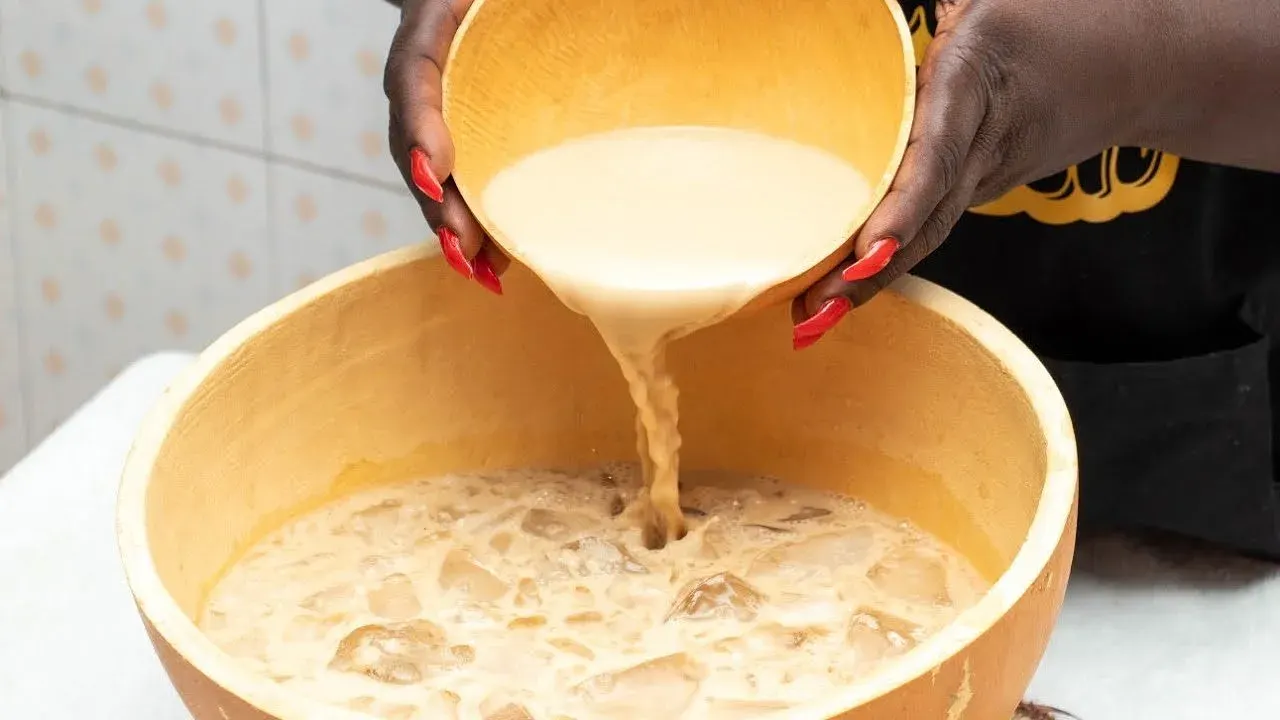
Lamugin, also written lamujee or lamougine, is a cold, non-alcoholic drink known for its bold ginger heat and warm spice. Cloves are a familiar addition, while lemon or lime, tamarind and sugar can balance the flavour. Despite the popular nickname “Hausa beer”, the drink described here contains no alcohol.
Recipes differ between makers. Some versions blend soaked rice or millet with ginger and spices before straining; others centre tamarind, ginger, cloves and citrus without a grain base. It is especially connected with northern and Zongo food culture and is now served at markets, lorry stations, homes, weddings and other events across Ghana.
Buying and drinking it
Lamugin should be made with safe water, strained into clean bottles and kept cold. Ginger strength and sugar vary widely, so taste a small amount first and ask about grain or other added ingredients.
More drinks to listen for
Northern beverage traditions also include names such as bisaab and fula, with recipes and spellings that vary by language and community. A responsible food archive should record the local name, ingredients, preparation, maker and place rather than forcing every drink into one national formula.
Alcohol is never required for cultural participation. Children and anyone avoiding alcohol can enjoy the many non-alcoholic drinks in this guide.
Community classroom
Join the conversation
Share a reflection, ask a question, or add what you know.
Sign in to save progress and join the discussion.
No reflections yet. Start the conversation.
Reflections
0