
Ghana’s street snacks are woven into ordinary movement: the walk to work, a wait at a lorry station, an evening conversation or a long bus journey. This guide brings seventeen favourites into one place. Names, spice blends and serving styles can change between vendors and regions, so treat each stop as an invitation to ask questions.
1. Kosua ne mako (egg with pepper)
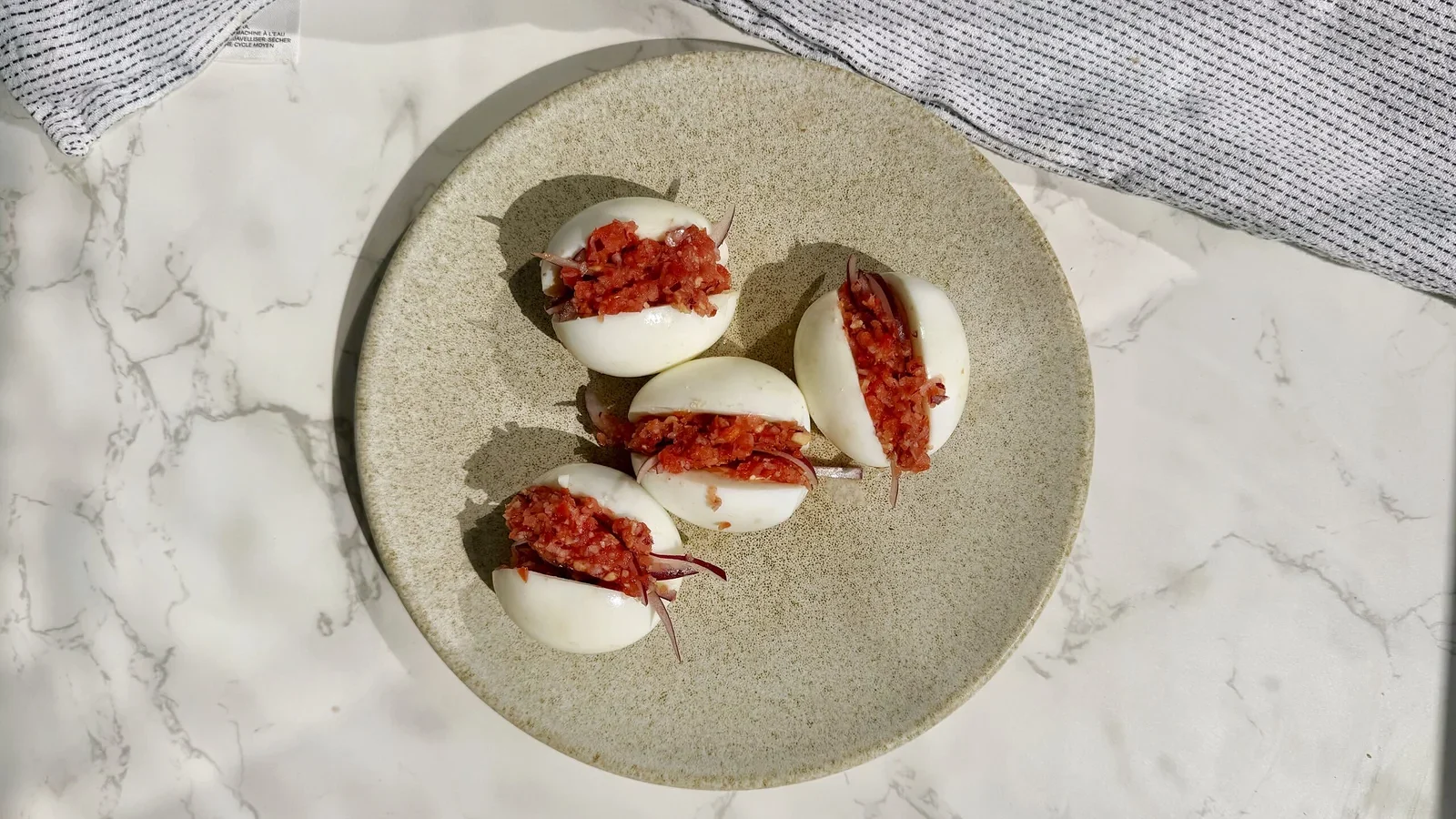
Kosua ne mako is wonderfully direct: a boiled egg is split and filled with a fresh, hot pepper mixture, often crushed with onion, tomato and salt. The Twi name means “egg and pepper.” Vendors carry carefully arranged trays through markets, stations and busy streets, turning an everyday egg into a quick snack with real heat.
Buying and eating it
Ask how hot the pepper is before the vendor adds it. The egg should be properly cooked and handled cleanly; people with an egg allergy should avoid it.
2. Kelewele
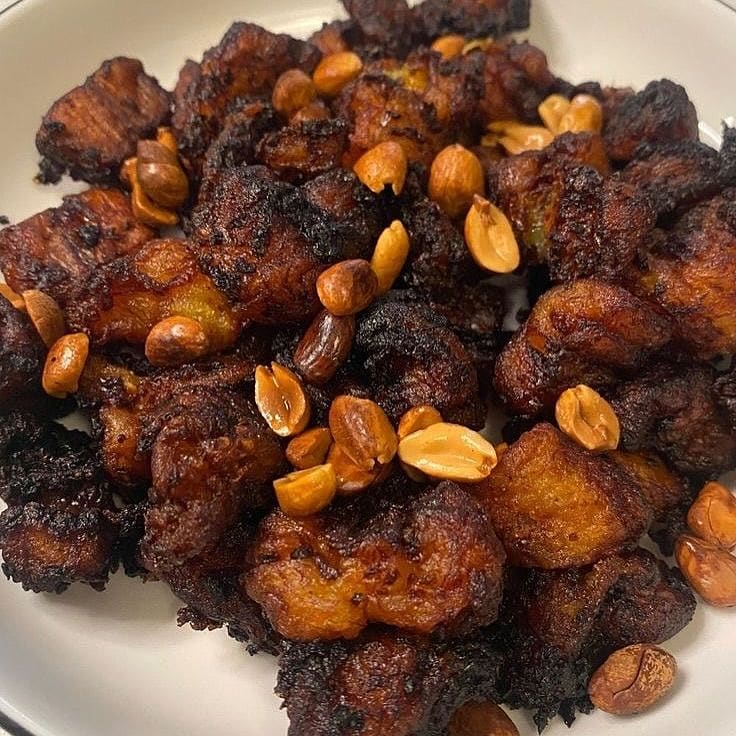
Kelewele is ripe plantain cut into small pieces, seasoned with ginger, chilli and aromatic spices, then fried until the edges darken and the middle stays soft. Evening kelewele stands announce themselves through the smell of spice and frying plantain. Roasted groundnuts are a favourite partner.
Buying and eating it
Eat it while it is hot and freshly fried. Recipes vary, so ask about spice level and whether groundnuts are served with it if you have a peanut allergy.
3. Bofrot (boflot)

Bofrot is a round, lightly sweet fried dough snack with a deep golden outside and a soft, airy centre. It appears at breakfast, during afternoon breaks and wherever a warm snack is welcome. Good bofrot is pleasantly chewy rather than heavy, and every seller has a slightly different balance of sweetness, spice and fermentation.
Buying and eating it
Buy it warm from a busy tray or pan. It normally contains wheat and may contain milk, egg or nutmeg, so ask the seller when allergies matter.
4. Roasted plantain and groundnuts (Kofi Brokeman)
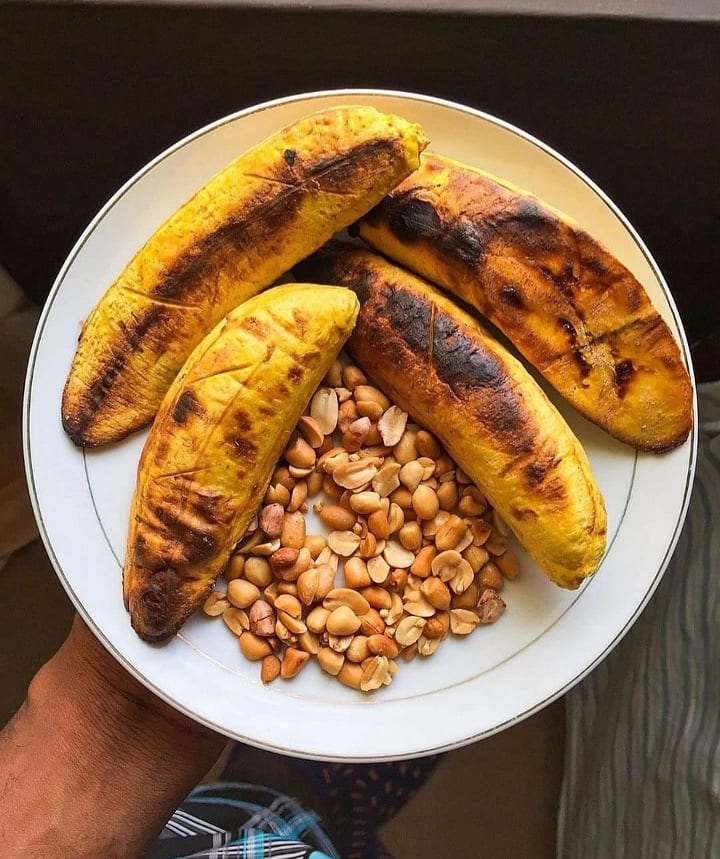
Ripe plantain is roasted slowly over charcoal until the skin blackens and the fruit inside becomes smoky, soft and sweet. It is peeled and eaten with roasted groundnuts. The familiar nickname Kofi Brokeman carries humour, but the snack is loved across incomes because it is simple, filling and deeply satisfying.
Buying and eating it
Choose plantain that is hot from the grill and groundnuts that taste fresh. This combination contains peanuts.
5. Roasted corn and coconut
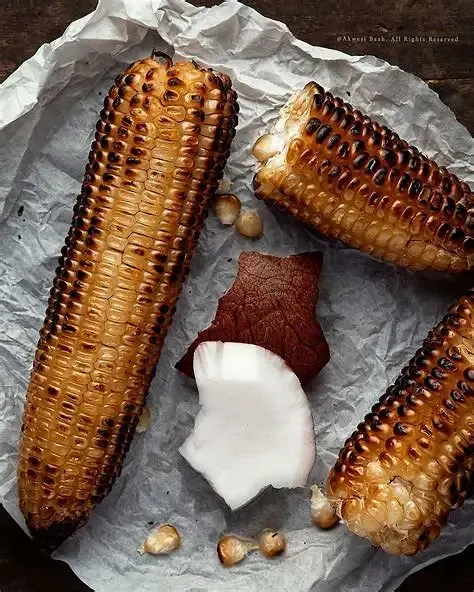
Corn roasted over charcoal develops a dry, smoky bite that works beautifully with cool pieces of fresh coconut. You alternate between the warm kernels and the crisp coconut, making this one of Ghana’s most recognisable roadside pairings when fresh maize is in season.
Buying and eating it
Look for corn roasted evenly without being burnt through. Coconut should be freshly opened and kept clean after cutting.
6. Chinchinga (spiced grilled kebab)
%20in%20Ghana.jpg?width=1800)
Chinchinga is meat threaded onto skewers, seasoned with a peppery spice blend and grilled over glowing charcoal. Beef, goat, chicken, sausage and gizzard versions are common. The best part is watching the skewers turn on the grill while the smoky seasoning catches at the edges.
Buying and eating it
Ask for the meat to be cooked through and served hot. Spice mixes can contain groundnuts, and meat types may share the same grill.
7. Koose (bean cakes)
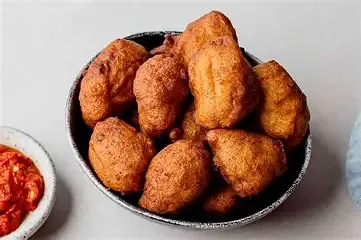
Koose is made from seasoned bean batter dropped into hot oil and fried until crisp outside and tender within. It is closely associated with morning food culture and is often eaten with Hausa koko, but a few fresh koose also make a savoury street snack on their own.
Buying and eating it
Fresh koose should be hot and cooked through. Ask about shared frying oil and accompaniments if you manage food allergies.
8. Plantain chips
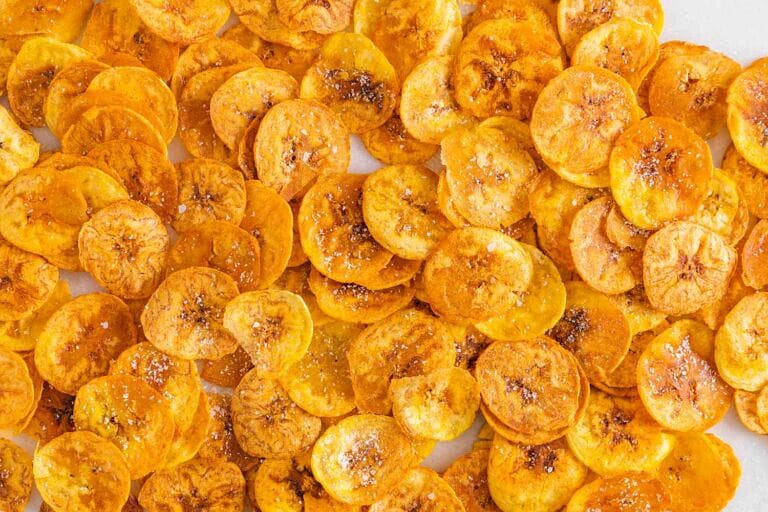
Thin slices of plantain are fried until crisp and usually finished with salt. Green plantain gives a firm, savoury chip, while riper fruit produces a sweeter, more golden version. Small clear bags of plantain chips are easy to spot with roadside sellers and in traffic.
Buying and eating it
Check that packaged chips are sealed, crisp and within any marked date. Seasonings and frying oils vary between producers.
9. Kuli-kuli
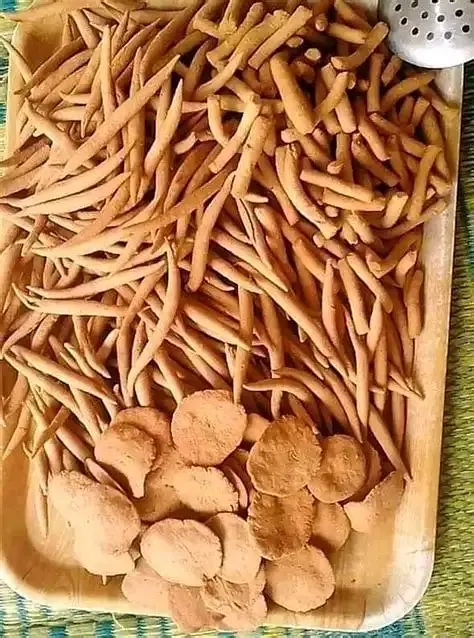
Kuli-kuli turns groundnuts into a dense, crunchy savoury snack. Groundnut paste is pressed to remove much of its oil, seasoned, shaped and fried. It is especially familiar in northern food traditions and travels well in a paper wrap or small bag.
Buying and eating it
Kuli-kuli contains peanuts and can be quite firm. Keep it dry after purchase so it stays crisp.
10. Poloo
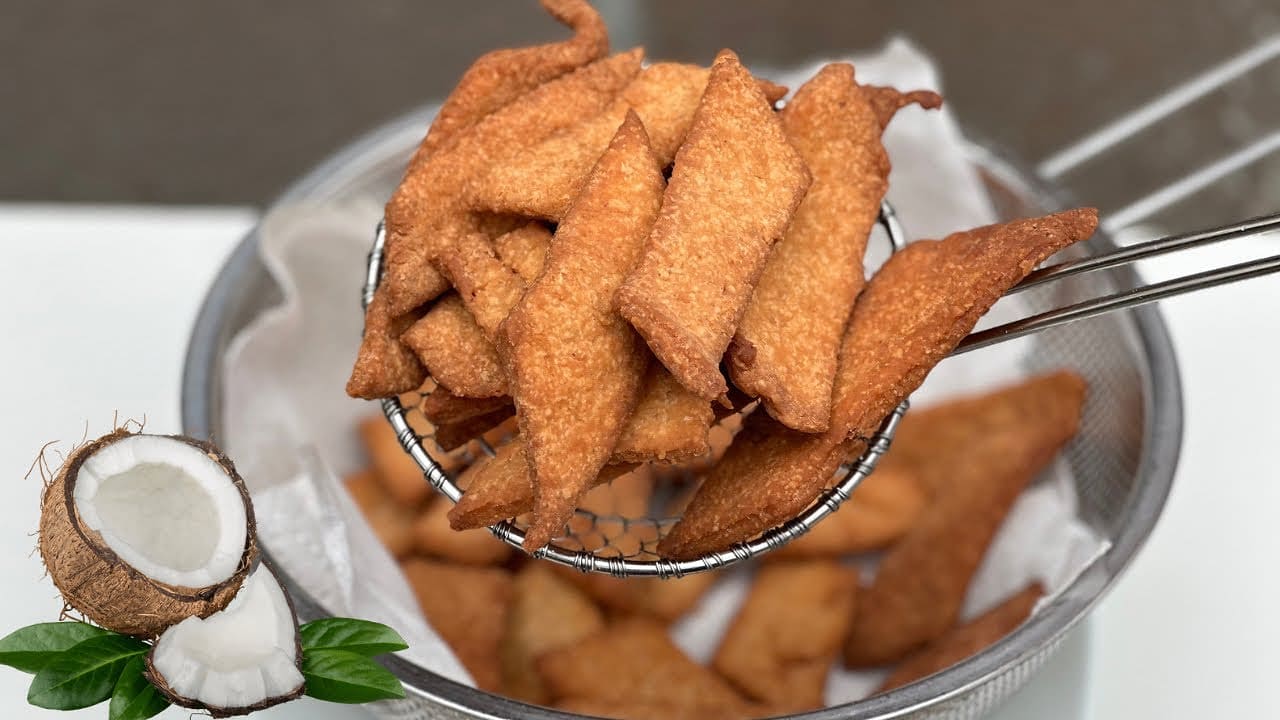
Poloo is a firm, crisp fried snack made with flour and coconut. Its gentle sweetness and coconut flavour make it a good companion for a drink or a journey. It is less showy than fresh fried snacks, but the satisfying crunch gives it loyal fans.
Buying and eating it
Poloo usually contains wheat and coconut and may be fried in shared oil. Store it in a sealed bag once opened.
11. Nkatie cake (peanut brittle)
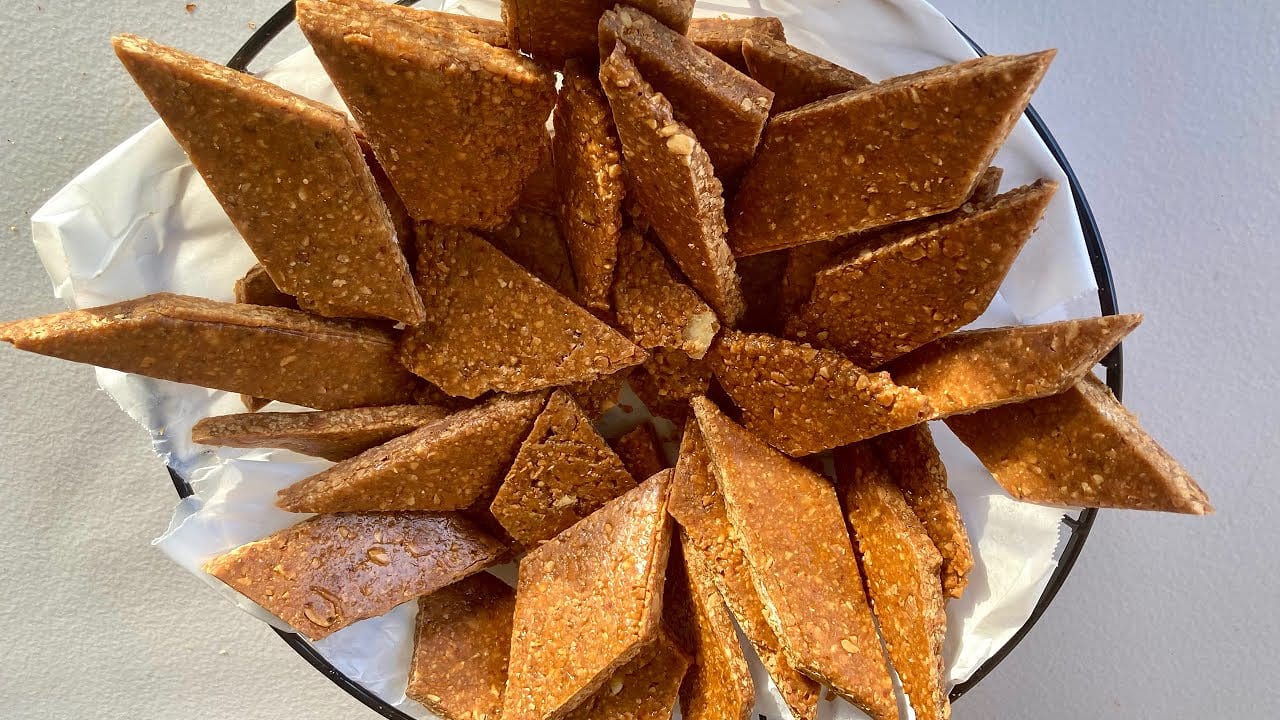
Nkatie cake is a crunchy sweet made by binding roasted groundnuts with caramelised sugar. The warm mixture is flattened or shaped before it sets, then broken or cut into pieces. Every bite brings the roasted flavour of peanuts followed by a deep caramel sweetness, making it an easy treat to carry on a journey.
Buying and eating it
Nkatie cake contains peanuts and the set sugar can be very hard. Keep it dry, break larger pieces carefully and avoid it if you have a peanut allergy.
12. Agbeli kaaklo (cassava snack)
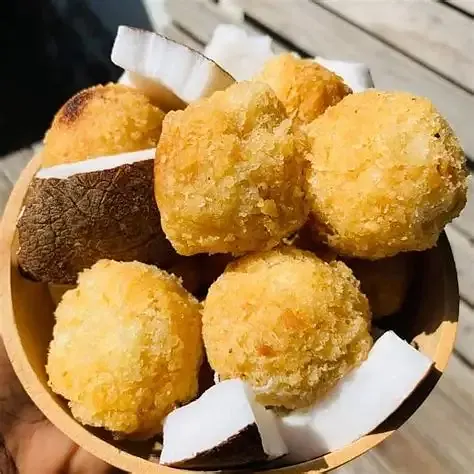
Agbeli kaaklo is a crisp cassava snack associated especially with the southern Volta Region. Grated cassava is seasoned, shaped and fried until the outside becomes deeply golden and crunchy. It is often paired with pieces of fresh, hard coconut, whose cool sweetness balances the savoury cassava.
Buying and eating it
Buy it freshly fried or properly stored so it stays crisp. Ask about the seasoning and shared frying oil when allergies matter; coconut may be served alongside it.
13. Kaklo (ripe plantain fritters)
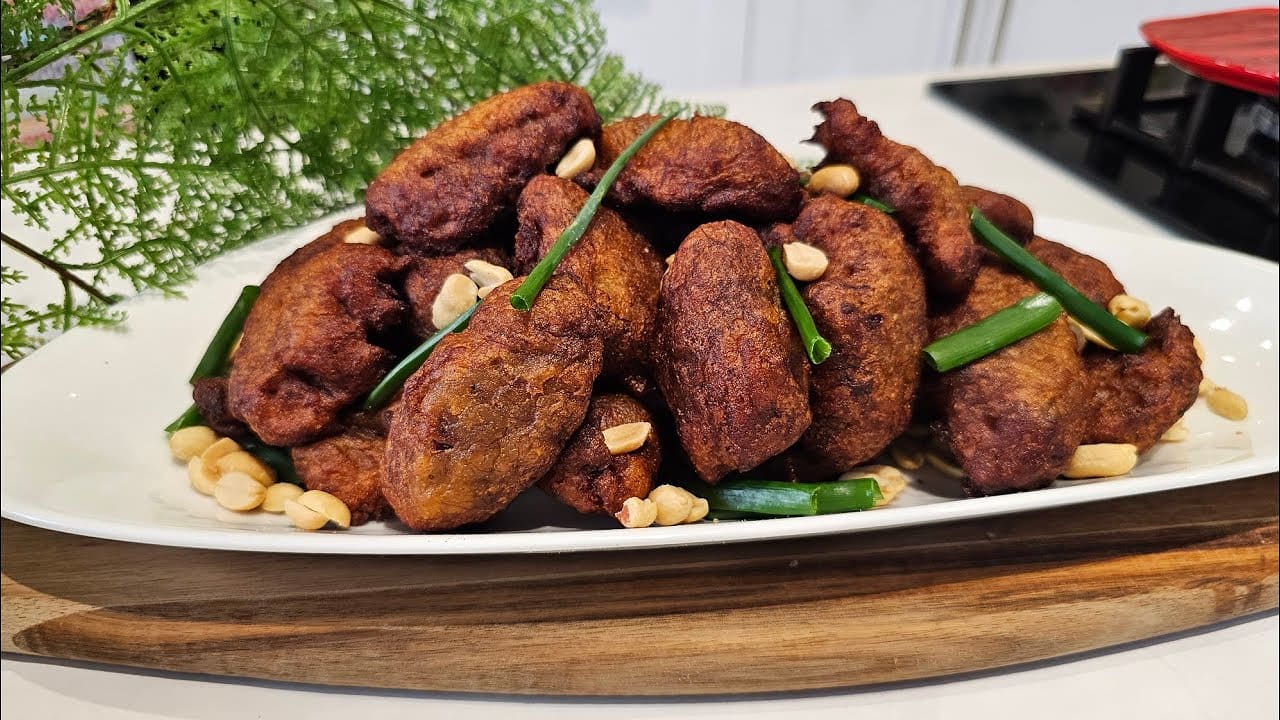
Kaklo, also called kakro in some communities, turns very ripe plantain into small, boldly flavoured fritters. The soft plantain is mashed with ginger, pepper, onion and spices, mixed with enough flour to hold its shape, then fried. The result is dark and caramelised outside, soft inside, and both sweet and peppery.
Buying and eating it
Kaklo is best warm. It may contain maize flour, wheat flour or a mixture, so ask the seller if you avoid gluten. It is sometimes eaten with roasted groundnuts or beans.
14. Aburo ne nkateɛ (roasted corn and groundnuts)
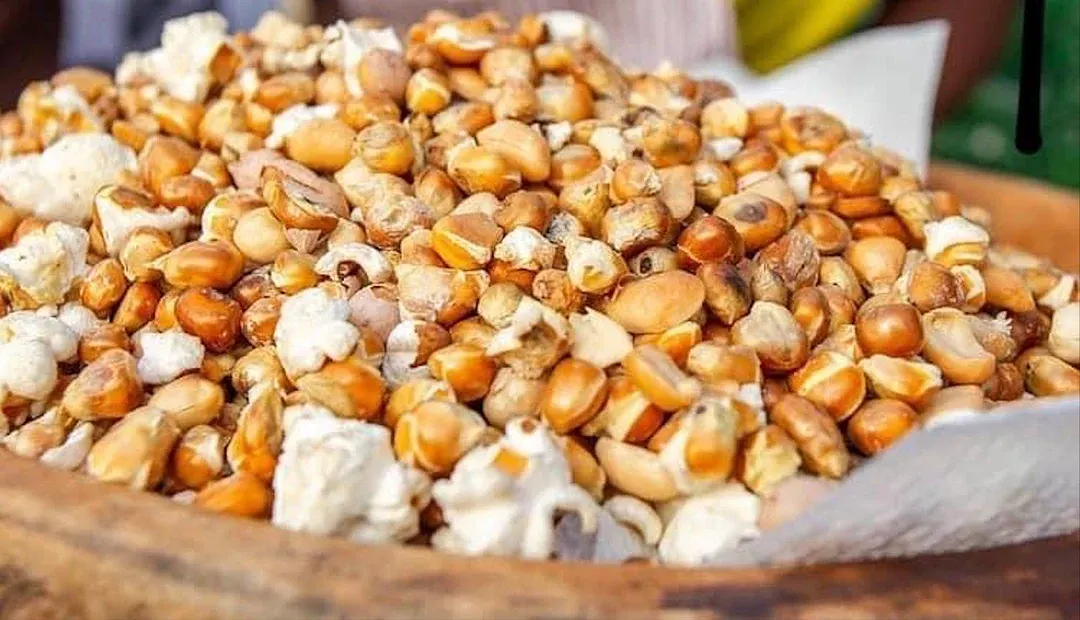
Aburo ne nkateɛ means corn and groundnuts. In this simple roadside pairing, dry roasted corn kernels bring a firm, smoky crunch while roasted groundnuts add richness. People often mix the two in a small bag and eat them a little at a time, making it a familiar snack for travel, school breaks and busy afternoons.
Buying and eating it
The corn can be quite hard, so chew it carefully. This snack contains peanuts; choose a clean, dry pack and keep it sealed after opening.
15. Ghanaian meat pie
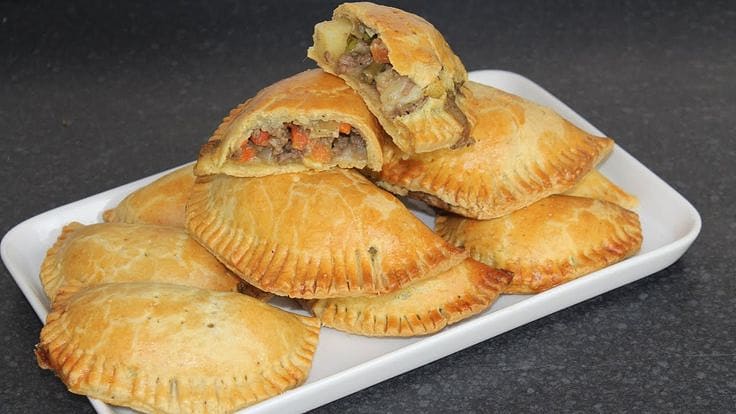
The Ghanaian meat pie is a portable savoury pastry with a firm golden crust and a seasoned filling. Beef is common, often cooked with onion and vegetables before being folded into the dough, though recipes vary between bakeries and street sellers. It is filling enough for a quick lunch and easy to eat while travelling.
Buying and eating it
Choose a pie that is warm, freshly baked and stored under cover. It normally contains wheat and may contain egg, milk or other allergens. Ask what meat is used when that matters to you.
16. Kube cake
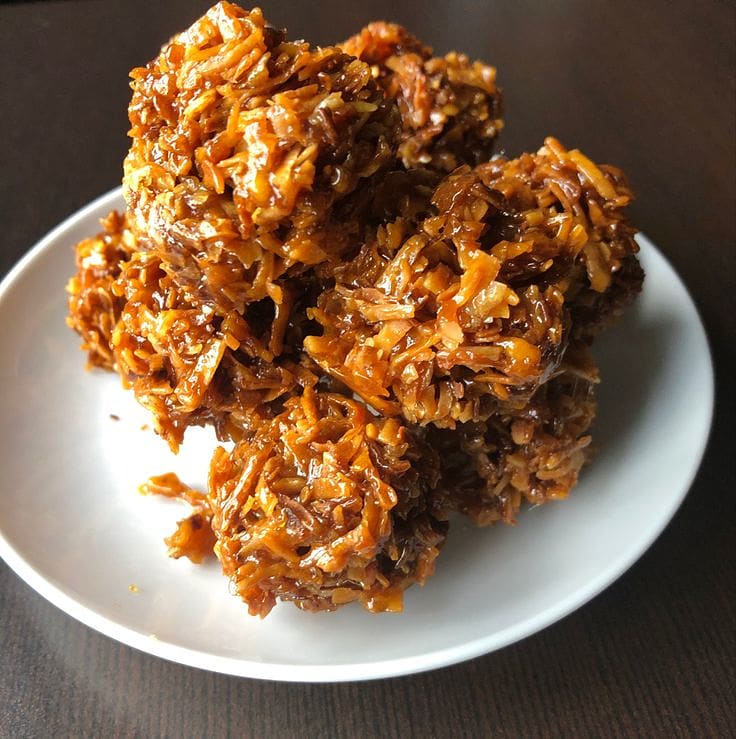
Kube cake is a coconut sweet made by cooking grated coconut with caramelised sugar, often with a little lemon, then shaping the mixture while it is still warm. It can appear as rough little balls or compact clusters. The toasted coconut gives it a nutty aroma, while the caramel makes it chewy, crisp or somewhere between the two.
Buying and eating it
Names and textures vary: many people also call this sweet kube toffee. It contains coconut and can become firm as it cools, so take small bites and keep it wrapped away from moisture.
17. Kube toffee (coconut candy)
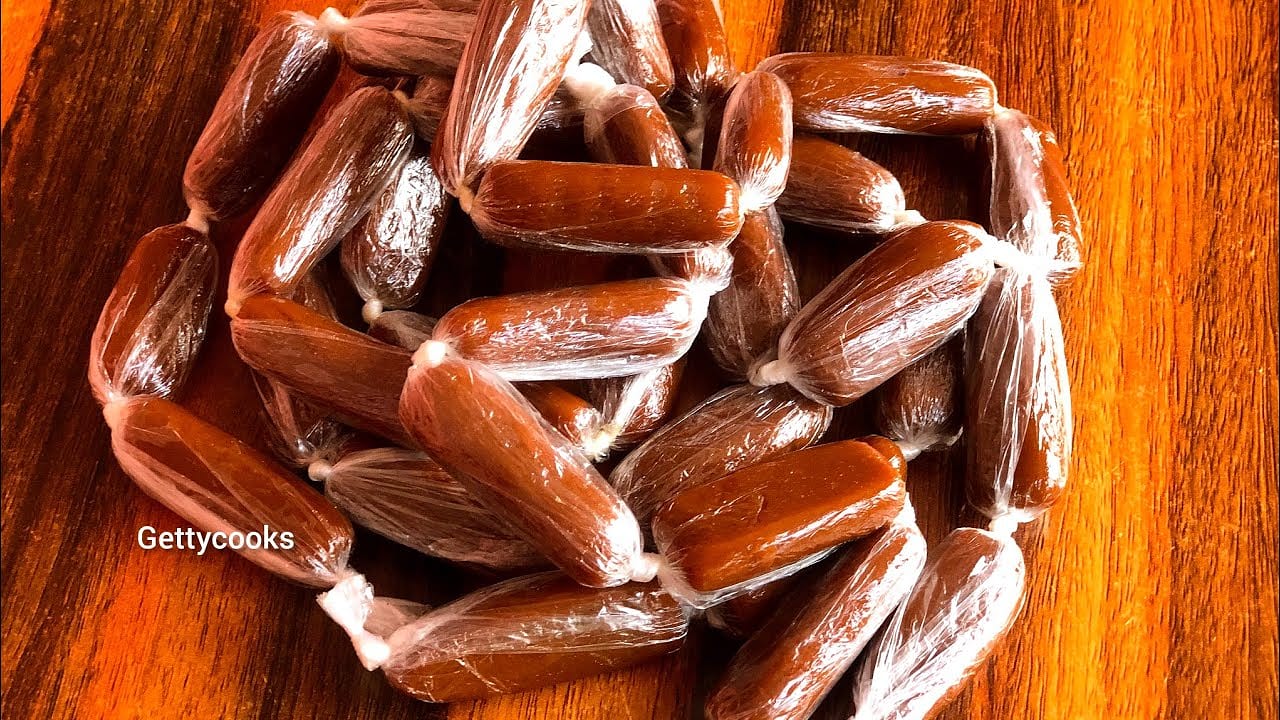
Kube toffee is another familiar name and style for Ghanaian coconut candy. Some sellers use the name for a flatter, stickier or more tightly set version, while others use kube cake and kube toffee interchangeably. In every form, grated coconut and cooked sugar create a rich, chewy sweet with toasted edges.
Buying and eating it
Ask the seller about the texture if you prefer a softer sweet. It contains coconut, may stick to teeth, and should be kept in its wrapper until you are ready to eat it.
A respectful street-food habit
- Ask before photographing a seller or their stall.
- Pay the stated price without treating every purchase as a bargaining contest.
- Choose food that is freshly cooked, protected from dust and handled with clean utensils.
- Carry your wrapper or bag until you find a bin.
- Ask about ingredients when allergies, religious practice or dietary choices matter.
Community classroom
Join the conversation
Share a reflection, ask a question, or add what you know.
Sign in to save progress and join the discussion.
No reflections yet. Start the conversation.
Reflections
0