
Bread in Ghana is everyday food with a personality of its own. A loaf might arrive warm from a neighbourhood bakery, balanced in a seller’s tray or picked up from a roadside shop before breakfast. Sugar bread, tea bread, butter bread and brown bread are familiar names, yet every baker has a slightly different touch. This guide helps you recognise the styles, choose thoughtfully and enjoy them the Ghanaian way.
1. Sugar bread
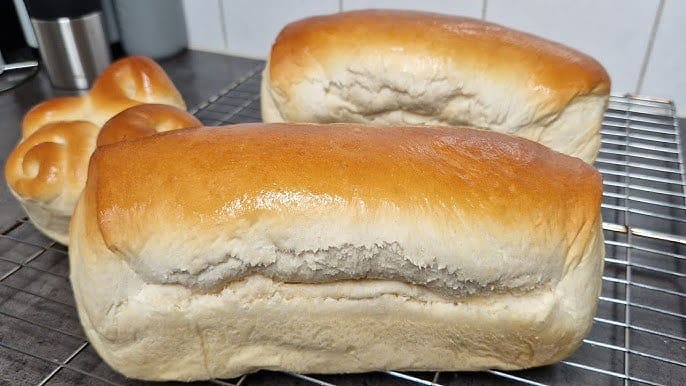
Sugar bread is the soft, sweet loaf many Ghanaians recognise from childhood breakfasts, school breaks and roadside journeys. Its tender crumb pulls apart easily, while sugar and fat give it a richer taste than an everyday plain loaf. Some bakers add nutmeg for a warm aroma, but sweetness, shape and spice differ from bakery to bakery.
It is satisfying on its own and even better with groundnut paste, margarine, tea, cocoa drink or an egg. A thick slice can also become a quick sandwich. The name describes a familiar Ghanaian bread style rather than one nationally standardised recipe, so two neighbourhood bakeries may produce loaves with noticeably different texture and sweetness.
Buying and eating it
Choose a loaf that smells fresh and feels soft without being damp. Sugar bread contains wheat and may also contain milk, egg, soya or margarine; ask the bakery when allergies matter.
2. Tea bread
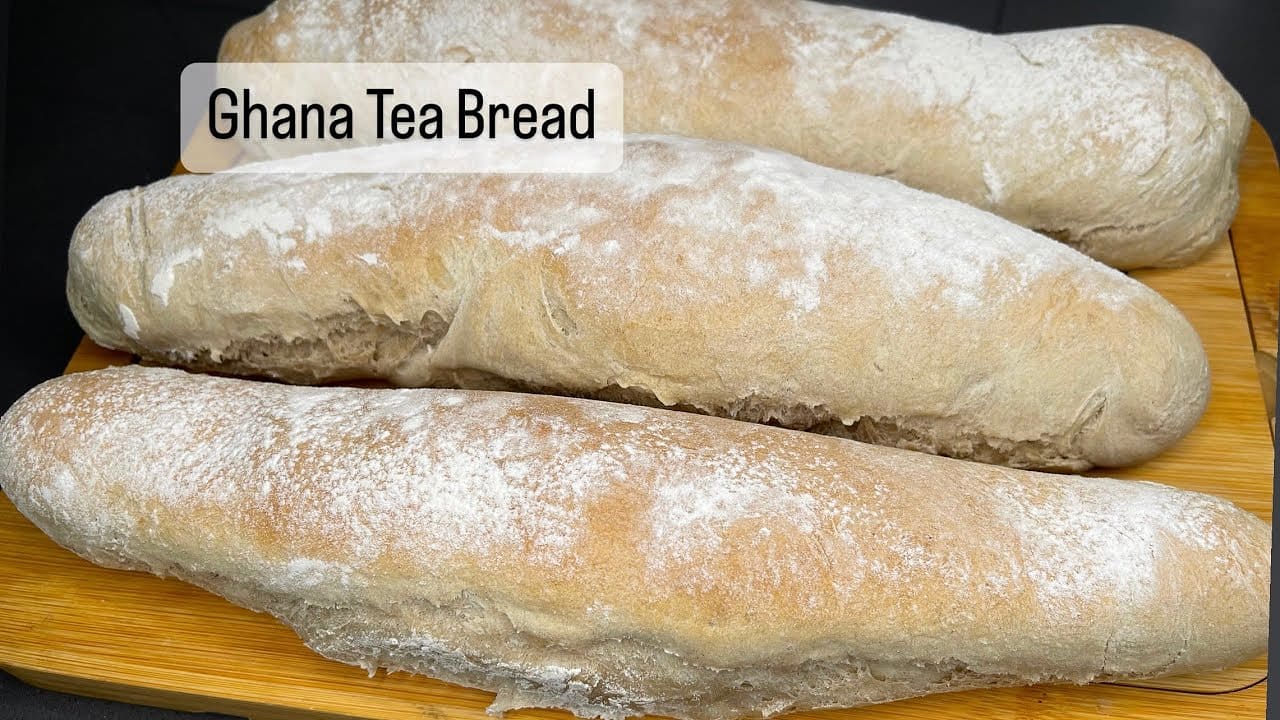
Tea bread is generally plainer and less sweet than sugar bread, with enough structure to hold a spread or survive a good dip into a hot drink. The Ghanaian meaning should not be confused with fruit-filled tea loaves found elsewhere. Here, it is an everyday yeast bread made for breakfast, snacks and simple sandwiches.
Its mild taste works with groundnut paste, margarine, fried egg, sardines, avocado or stew. Despite the name, “tea” at a Ghanaian breakfast table might be black tea, milky tea, cocoa or another hot drink. The bread is the dependable partner rather than the whole meal.
Buying and eating it
Tea bread is a good choice when you want a less sweet loaf. Check the label or ask the seller about milk, egg and soya, and keep groundnut paste separate for anyone with a peanut allergy.
3. Butter bread
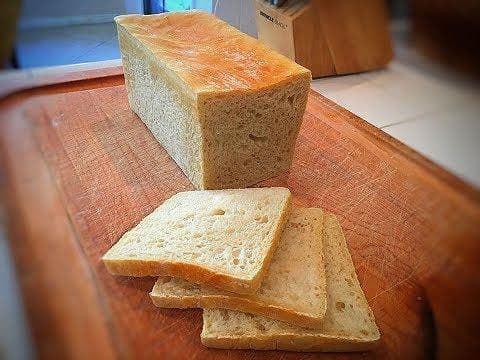
Butter bread is valued for a rich flavour, soft crumb and fuller mouthfeel. Its name signals an enriched loaf, although commercial bakeries may use butter, margarine or a combination depending on their formula. It usually sits between tea bread and sugar bread in character: indulgent and aromatic without always being the sweetest loaf on the shelf.
Fresh butter bread needs little decoration. It can be torn and eaten warm, toasted the next day, or filled with omelette, corned beef, sardines or avocado. Because Ghanaian bread names describe broad bakery styles rather than protected formulas, it is worth discovering which local baker makes the version you enjoy most.
Buying and eating it
Ask whether the bakery uses dairy butter or margarine if this matters to you. Store the loaf sealed once cool, and toast older slices rather than wasting them.
4. Brown bread and newer bakery loaves
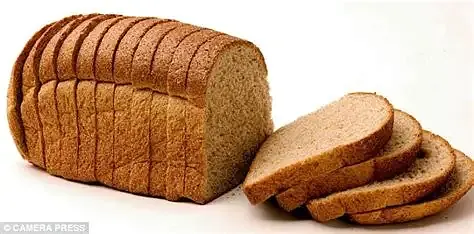
Brown bread offers a less sweet option and is commonly associated with whole-wheat flour, bran or a blend of white and wholemeal flour. Colour alone does not reveal the fibre content, so an ingredients label or a conversation with the baker is more useful than assuming every dark loaf is fully whole grain.
Ghanaian bakeries now sell oat, malt, milk, fruit, cocoa and multigrain breads alongside the familiar four. Some bakers also experiment with composite flour, including cassava or orange-fleshed sweet-potato ingredients, to use local crops and create different textures. These newer loaves expand the bakery shelf without replacing the everyday favourites.
Buying and eating it
Read the ingredient list when choosing for fibre, sugar or allergies. “Brown” can describe appearance as well as flour composition, and recipes vary widely.
5. From the bakery to the breakfast table

Bread reaches people through neighbourhood bakeries, shops, kiosks, markets and mobile sellers. A warm loaf may be recognised by its bakery wrapper, shape or aroma long before the customer reads a label. Buying bread is part of the daily rhythm: early for breakfast, after school, on the journey home or when an unexpected visitor arrives.
At the table, bread moves easily between sweet and savoury. It accompanies porridge, tea and rice water; holds egg, sardines or avocado; and turns groundnut paste into a quick filling snack. “Tea and bread” can be modest or elaborate depending on what the household adds. Bread is also shared—cut for children, offered to guests and carried on long trips because it is convenient and familiar.
Buying and eating it
Check the production or best-before information on packaged loaves. Buy from a clean seller, keep bread dry and covered, and discard it if mould appears rather than trimming only the visible patch.
A loaf shaped by many hands
Behind each loaf are flour and ingredient traders, mixers, moulders, oven workers, packers, drivers and sellers. Small and medium bakeries support livelihoods while building fierce neighbourhood loyalty. Asking where a loaf was baked and paying a fair price helps keep that local chain visible.
There is no official recipe that makes every Ghanaian sugar, tea or butter bread identical. Treat the names as useful families of bread, then let aroma, texture and the baker’s own method tell the rest of the story.
Community classroom
Join the conversation
Share a reflection, ask a question, or add what you know.
Sign in to save progress and join the discussion.
No reflections yet. Start the conversation.
Reflections
0