
Fried yam sits comfortably between snack and meal in Ghana. A paper-wrapped portion with pepper can answer a quick hunger, while fish, chicken, egg or vegetables can turn it into dinner. This guide follows the yam from market tuber to hot, golden pieces and the accompaniments that make the plate memorable.
1. Ghanaian fried yam
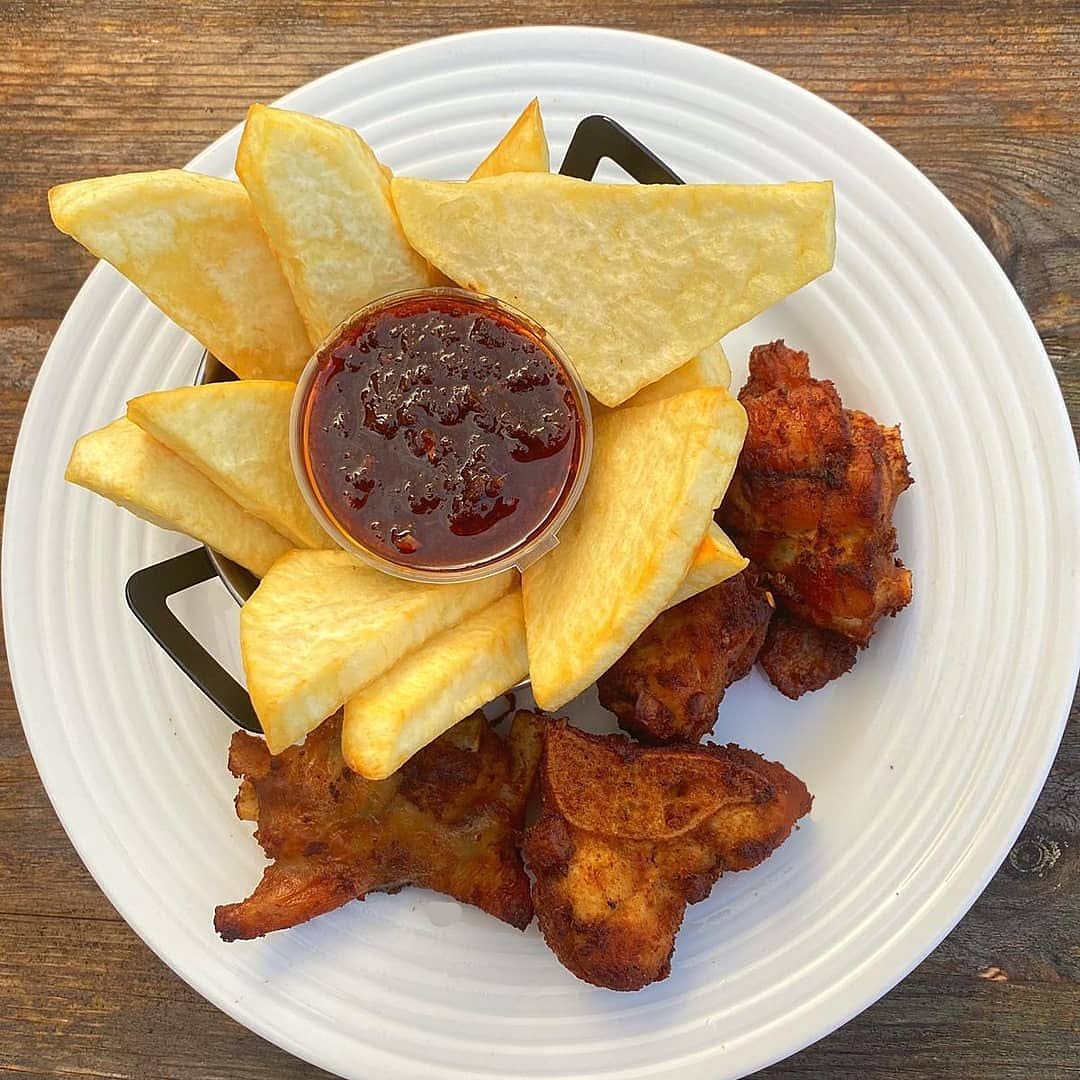
Fried yam is one of Ghana’s most satisfying quick meals: thick pieces of yam cooked until the surface is golden and the centre is soft, dry and fluffy. It can be a roadside snack, a late lunch or a full plate once pepper and protein are added. Unlike thin potato fries, Ghanaian fried yam is usually cut generously so the character of the tuber remains clear.
The pleasure comes from contrast. Freshly fried edges carry salt and a gentle crunch, while the inside remains substantial enough to hold shito, fresh pepper or stew. Different yam varieties and cutting styles produce firmer, softer, sweeter or more floury results.
Buying and eating it
Eat fried yam while it is fresh and hot, but let it cool enough to avoid burns. Older pieces lose their crisp surface quickly.
2. Choosing and preparing the yam
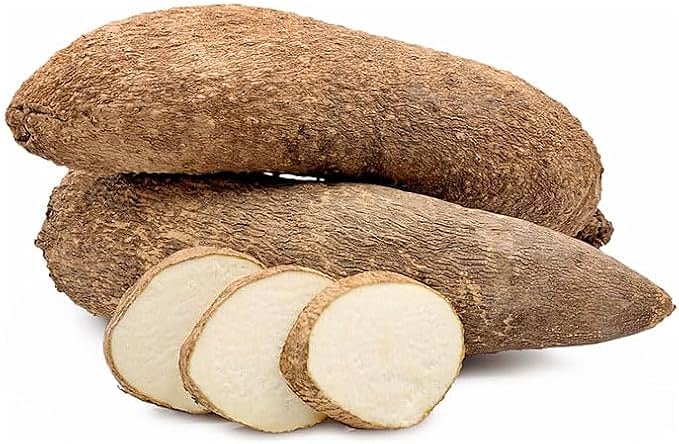
Good fried yam begins with a sound tuber. The yam should feel firm and heavy, with no wet, deeply softened or mouldy areas. Vendors and experienced cooks recognise varieties that fry well, balancing a floury interior with enough structure to keep each piece intact.
The tough skin is removed, the yam is rinsed and it is cut into sticks, wedges or broad slices. Keeping the pieces similar in size helps them cook evenly. Some cooks soak or rinse the cut yam and season it lightly before frying; others place it into the oil with little more than salt.
Buying and eating it
Raw yam can irritate some people’s skin. Use a stable cutting board and a sharp knife because whole tubers are hard and awkward to peel.
3. Fried yam with shito and fresh pepper
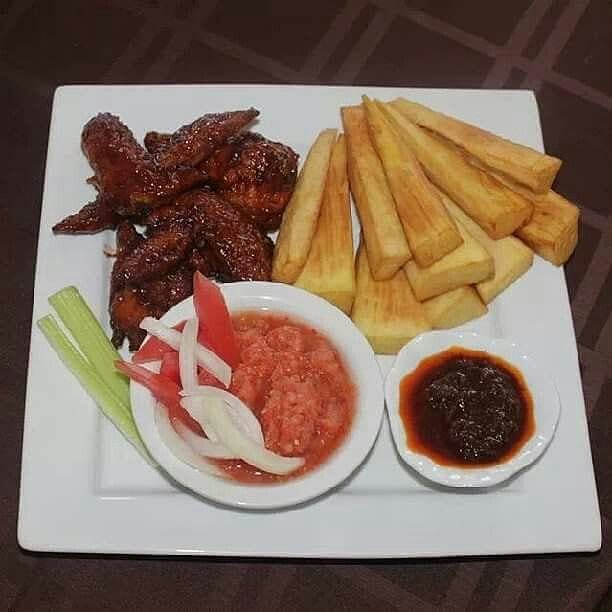
Shito is a natural companion for fried yam. Its concentrated chilli, onion and dried-seafood flavour gives the mild yam heat and savoury depth. Fresh ground pepper offers a brighter alternative, often combining chilli with onion, tomato and salt. Many diners enjoy both on the same plate.
The pepper is usually kept beside the yam rather than poured over every piece. This protects the crisp surface and lets the diner control the heat. A little sliced onion or tomato can add freshness between rich mouthfuls.
Fried fish turns fried yam into a classic street-side meal. The fish may be tilapia, mackerel or another available catch, seasoned and fried until the outside is deeply savoury. Fried or grilled chicken, kebab, sausage, turkey tail and eggs are also paired with yam according to the vendor and neighbourhood.
Buying and eating it
Traditional shito commonly contains dried fish or shrimp. Ask about seafood and spice level, and begin with a small amount.
Respect the people behind the plate
Street-food skill includes choosing the yam, controlling hot oil, seasoning proteins and serving customers quickly. Ask before photographing a vendor or stall, pay the stated price respectfully and dispose of wrappers responsibly.
Community classroom
Join the conversation
Share a reflection, ask a question, or add what you know.
Sign in to save progress and join the discussion.
No reflections yet. Start the conversation.
Reflections
0