
There is no single Ghanaian breakfast. Morning food changes with region, household, work, time and appetite: one person wants hot porridge before sunrise, another buys waakye on the way to work, and another prepares bread and egg at home. This guide introduces familiar choices without turning them into a fixed national menu.
1. Hausa koko and koose/bofrot

Hausa koko and koose is one of Ghana’s best-known street breakfasts. The smooth millet porridge carries ginger, pepper and warm spices, giving it a heat that wakes up the palate. Koose—seasoned bean batter fried into small cakes—adds a crisp surface, soft centre and enough substance to make the bowl filling.
Morning vendors often begin before sunrise, serving workers, students and travellers from large pots and trays. Sugar may be added to the porridge, and bread or bofrot can join the meal when someone wants more. Recipes and spice levels differ between sellers and communities.
Buying and eating it
Buy the porridge hot and the koose freshly fried. Koose may share frying oil with other foods, while porridge additions can include sugar or milk.
2. Rice water (rice pudding)
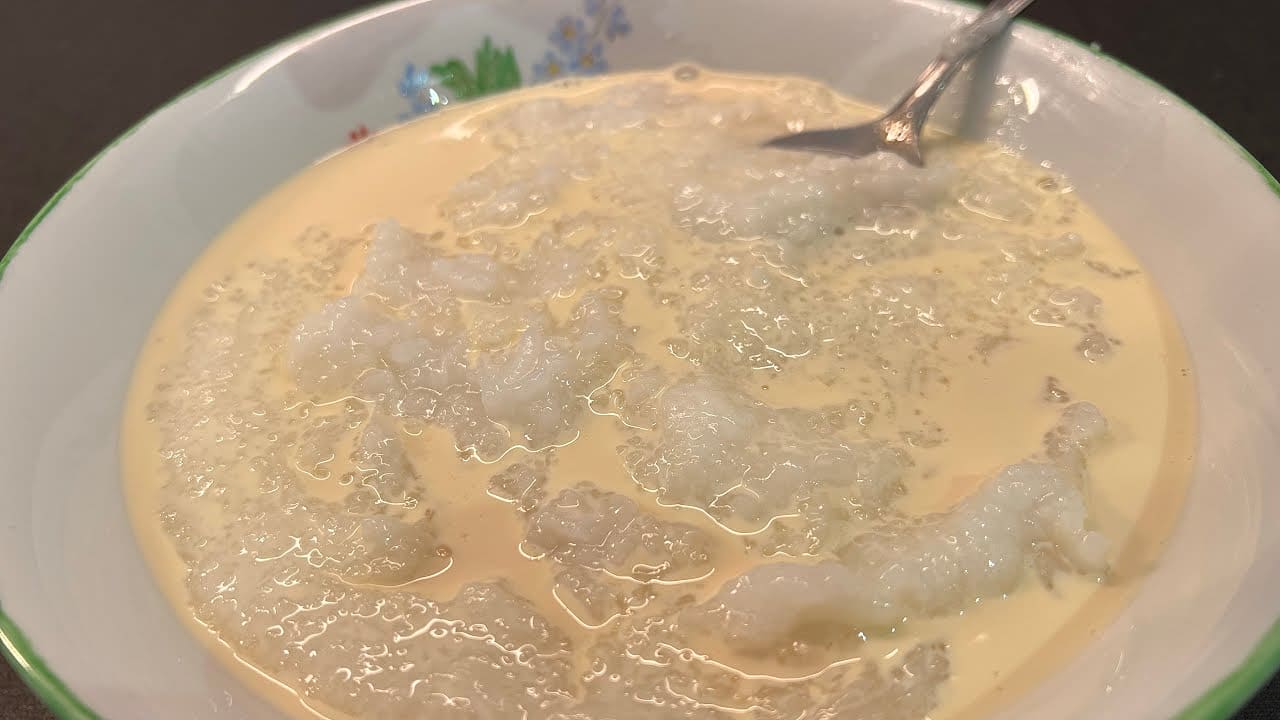
Rice water is a gentle porridge made by simmering rice in plenty of water until the grains become very soft and the liquid turns creamy. In Ghana, it is often sweetened and served with milk, then enjoyed with bread for a simple, comforting breakfast. Some people flavour it lightly with nutmeg or cinnamon, while others prefer it plain.
The bread can be torn into the bowl or eaten alongside it. The photograph shows rice porridge being cooked and is used to illustrate the texture; each Ghanaian home may prepare and serve rice water differently.
Buying and eating it
Rice water is best served warm. Ask about added milk and sugar, and remember that the accompanying bread contains wheat.
3. Tom Brown porridge
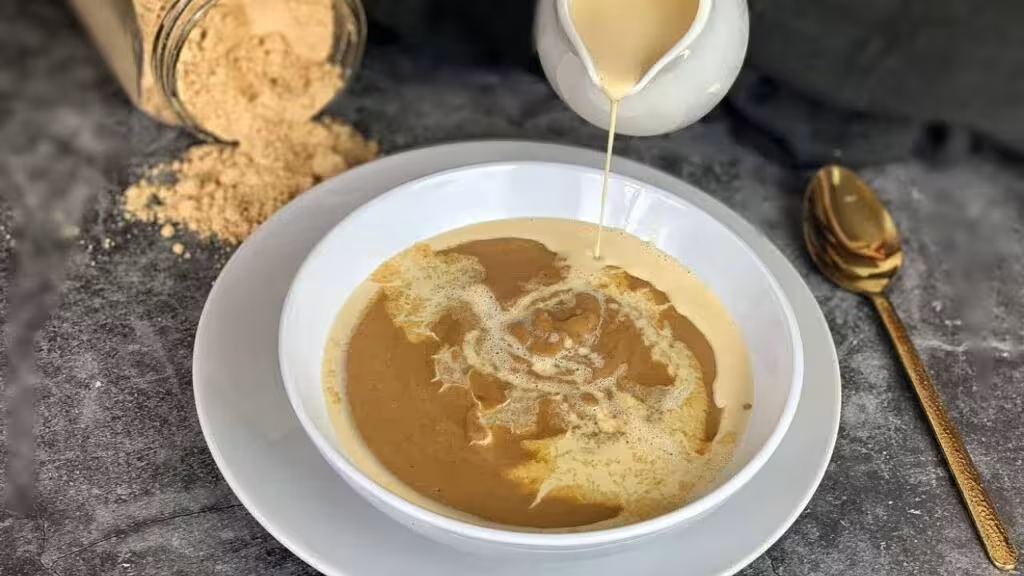
Tom Brown is a roasted-grain porridge with a warm brown colour and a toasted aroma. Maize is common, while some blends include millet, soya bean or groundnut. The grain is roasted, milled into flour and cooked with water until smooth, then sweetened or enriched with milk according to taste.
A simple bowl can be paired with bread, egg or fruit. Commercial flour mixes make Tom Brown convenient, but many families still value their own grain blend and roasting method.
Buying and eating it
Check packaged flour for groundnut, soya or milk when allergies matter. Stir the porridge well and cook the flour through before serving.
4. Oats porridge
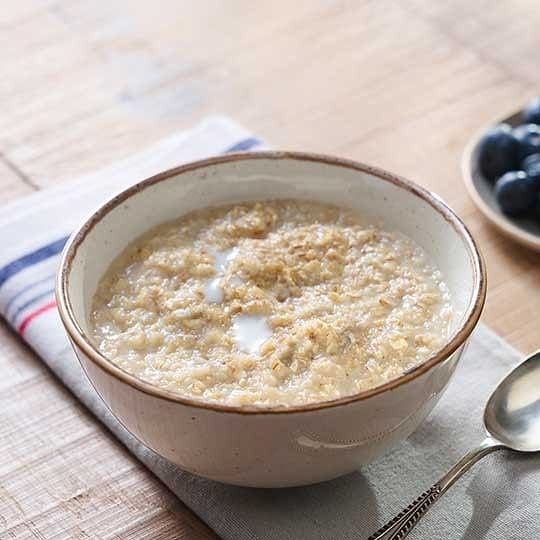
Oats porridge has become a convenient breakfast in many Ghanaian homes. Rolled or quick-cooking oats are simmered with water or milk until soft, then sweetened to taste. Nutmeg, cinnamon, fruit or groundnuts may be added, although a plain bowl with bread remains an easy option on a busy morning.
It cooks quickly and can be made as light or thick as the eater prefers. The photograph illustrates cooked oatmeal; brands, toppings and serving styles vary between households.
Buying and eating it
Check the packet if gluten cross-contact matters. Milk, groundnuts and other toppings should be considered when serving someone with allergies.
5. Wheat porridge
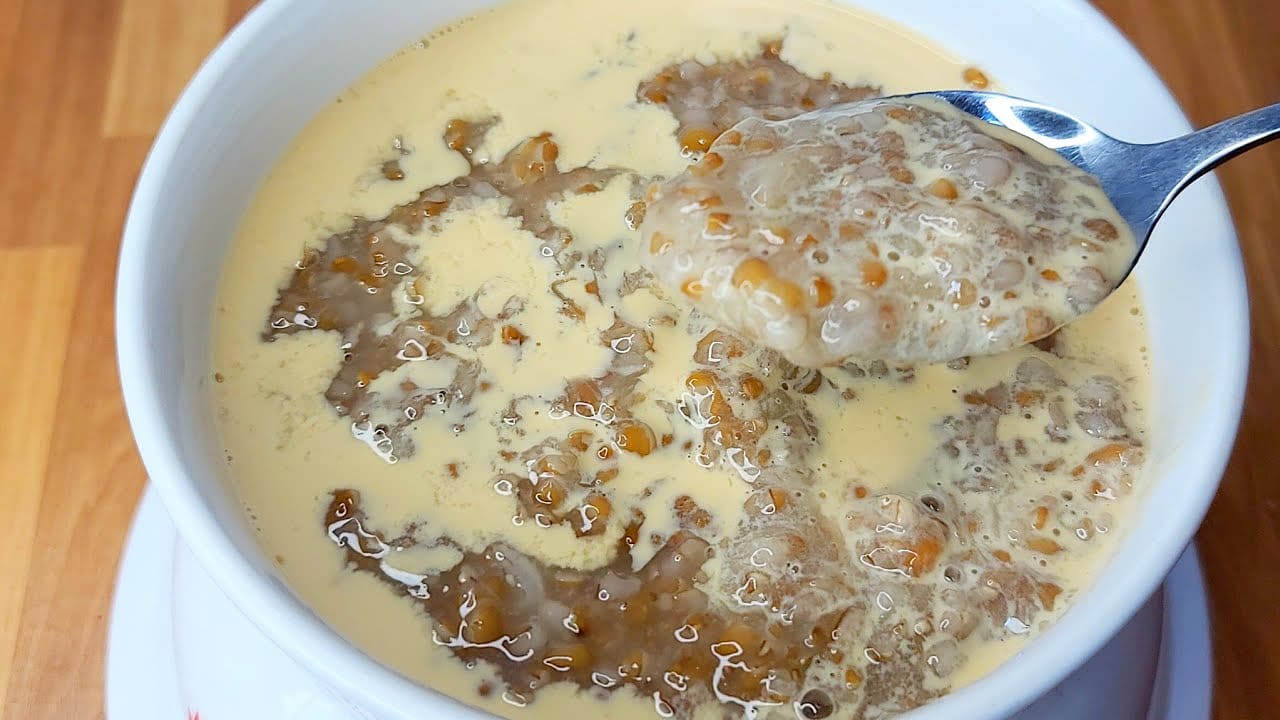
Wheat porridge is another warm cereal breakfast prepared in Ghanaian homes. Wheat flour or a packaged wheat cereal is mixed carefully with water to prevent lumps, then cooked until smooth. Milk and sugar are common additions, and the porridge may be served with bread when a more filling meal is needed.
The exact product and method differ from one household to another. The photograph shows wheat flour porridge and is used to illustrate the finished texture rather than one fixed Ghanaian recipe.
Buying and eating it
Wheat porridge contains gluten. Stir continuously while cooking, follow the flour or cereal instructions, and serve it warm rather than scalding hot.
6. Tea, bread and egg

Tea and bread is a familiar home, roadside and workplace breakfast. “Tea” may mean black tea, cocoa or another hot drink prepared with milk and sugar. Ghanaian bread styles—from soft sugar bread to tea bread and butter bread—can be eaten plain, toasted or filled.
Egg makes the meal more substantial. It may be boiled, fried or cooked as an omelette with onion, tomato and pepper, then placed inside the bread as a quick sandwich. Sardines, corned beef, avocado or baked beans are other possible additions rather than fixed requirements.
Buying and eating it
Ask how much sugar and milk are used if you have dietary needs. Bread contains wheat, and spreads or omelettes may contain milk, fish or other allergens.
7. Other breakfast options: waakye, kenkey, red red and rice with stew

A Ghanaian breakfast can also be a substantial cooked meal, especially for people starting a long working day or buying food from an early-morning vendor.
Waakye combines rice and beans, often cooked with sorghum leaves, and may be served with gari, spaghetti, stew, shito, salad, egg, fish or meat. Kenkey brings the sour flavour of fermented maize and can be eaten with fish, fresh pepper or shito. Ga kenkey and Fante kenkey have their own preparation, wrapping and texture.
Red red, also called gobɛ or gob3, is a richly seasoned bean stew, usually cooked with red palm oil and served with fried ripe plantain, gari, or both. Rice and stew is another straightforward option: plain rice with tomato-based stew and, where desired, egg, fish, meat or beans. Availability and combinations vary by household, community and vendor.
Buying and eating it
Order accompaniments to suit your appetite. Ask about fish or shrimp in shito, check fish for small bones, and choose hot food and fresh salads from a clean, busy seller.
Building a balanced morning meal
A useful breakfast combines energy with protein, fibre or fruit where possible. Porridge can be paired with koose or egg; bread with an omelette and fruit; waakye with vegetables and a sensible portion of protein. Sweetness, oil and portion size can be adjusted without losing the cultural character of the food.
Morning vendors are part of the working day. Greet them, order clearly, pay the stated price and ask before taking photographs.
Community classroom
Join the conversation
Share a reflection, ask a question, or add what you know.
Sign in to save progress and join the discussion.
No reflections yet. Start the conversation.
Reflections
0