
Banku brings fermentation, patient stirring and bold accompaniments together on one plate. Its familiar sourness belongs beside grilled fish and pepper, okro stew, soup and many family combinations. This guide follows the dough from preparation to the table while recognising the communities and cooks who keep the knowledge alive.
1. What banku is
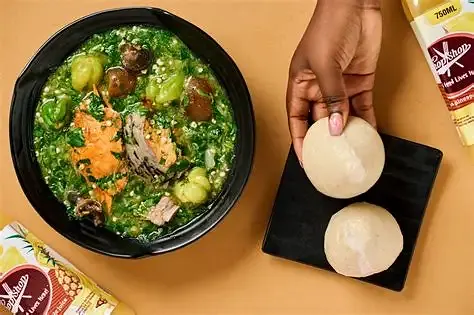
Banku is a smooth, soft Ghanaian staple cooked from fermented maize dough, usually blended with cassava dough. It has a clean sourness from fermentation and a gentle flavour that carries pepper, stew, soup and grilled fish beautifully. The cooked dough is worked until cohesive, then shaped into individual portions.
Banku is strongly associated with southern and coastal food cultures, including Ga communities, and is now enjoyed across Ghana. Recipes are not identical: households adjust the maize-to-cassava balance, fermentation and firmness to suit the meal and the texture they know best.
Buying and eating it
Banku should taste pleasantly fermented, not spoiled. When buying it, choose a clean food vendor serving freshly cooked portions.
2. Banku, grilled tilapia and pepper
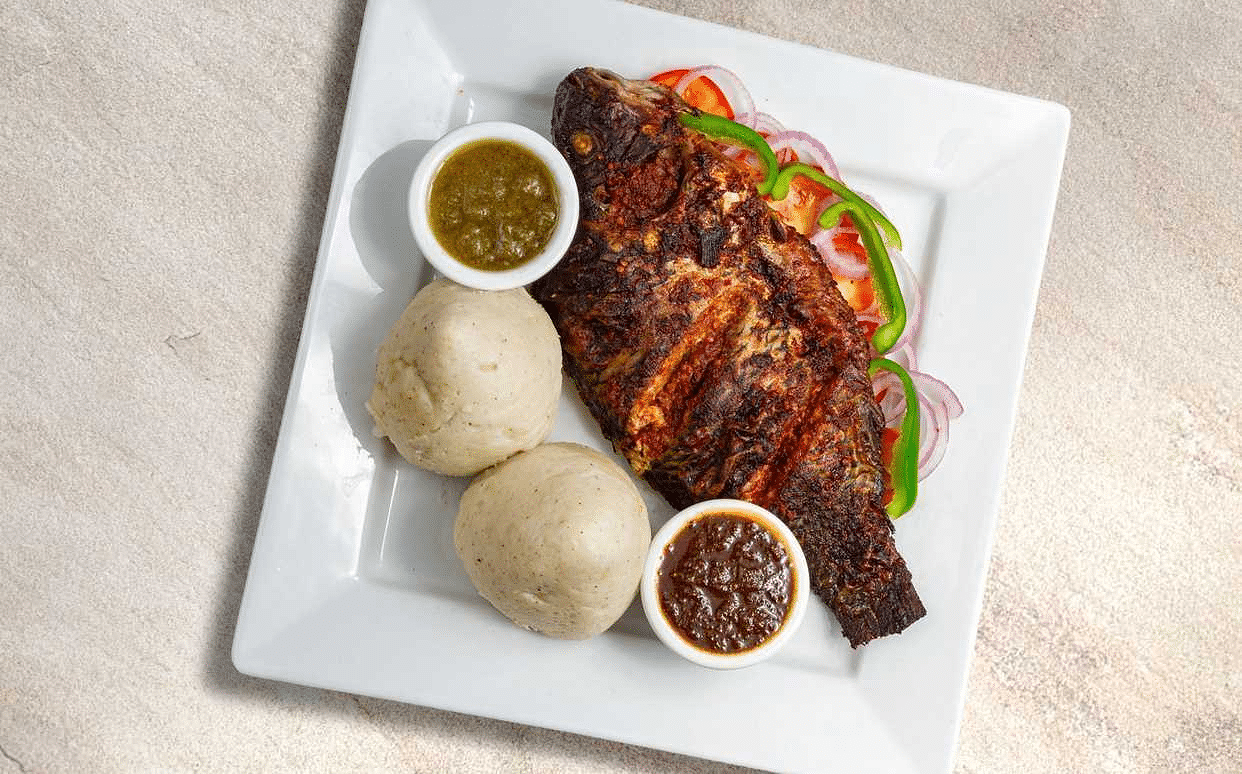
Banku with grilled tilapia is one of Ghana’s most recognised food pairings. Whole tilapia is seasoned and grilled until smoky at the edges, then served with fresh pepper sauce, sliced onion and tomato. The cool, sour banku balances the fish, chilli and char from the grill.
The plate is common in restaurants, street-side grills and social gatherings, especially in southern Ghana. Each element matters: well-seasoned fish, properly fermented banku and pepper mixed to the diner’s preferred heat create the complete experience.
Buying and eating it
Fish contains bones. Separate small mouthfuls carefully, and ask whether the seasoning or pepper contains allergens before eating.
3. Banku with okro stew
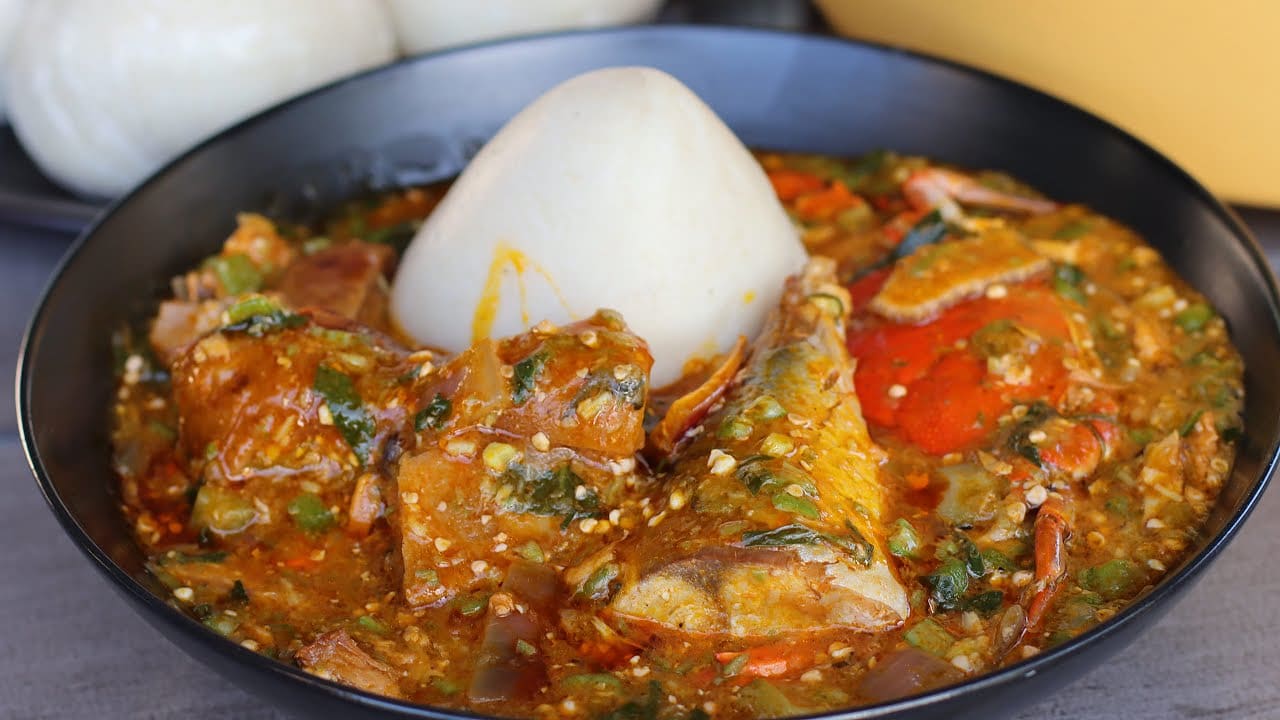
Okro stew gives banku a completely different character. Sliced okra creates a glossy, gently thickened sauce enriched with tomato, onion, pepper and oil. Fish, crab, meat, wele or other proteins may be added, while some households prepare vegetable-centred versions.
Banku’s soft texture works naturally with the flowing stew. A small piece gathers the sauce and its ingredients without competing with their flavour. Along coastal routes, seafood versions also reflect the close relationship between fermented maize dishes and fishing communities.
Buying and eating it
Okro stew may combine several meats and seafood in one pot. Ask about crab, shellfish, fish and stock if you have allergies or dietary restrictions.
4. Other soup/stew pairings
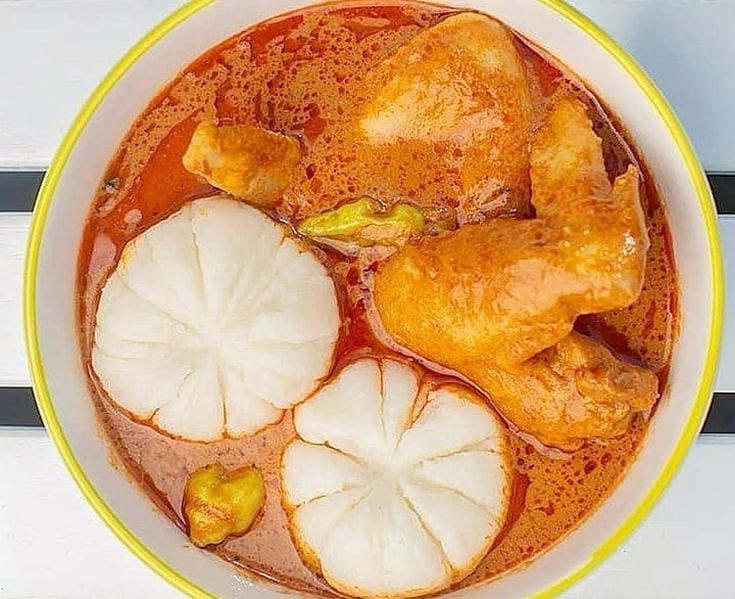
Banku is not limited to tilapia or okro. It can be eaten simply with ground pepper and fish, or served with groundnut soup, palm nut soup and other stews. Fried fish and hot pepper make an especially direct meal, while soup turns the banku into a warming bowl with meat, fish, mushrooms or vegetables.
These pairings show how banku moves between quick everyday food and a more elaborate shared meal. What remains constant is the contrast between the mildly sour staple and an accompaniment with enough seasoning, heat and savoury depth to meet it.
Buying and eating it
Groundnut soup contains peanuts. Soups and pepper sauces may also contain fish, shellfish or shared stock, so confirm the ingredients when necessary.
Eating with care and respect
Banku is often eaten with the clean fingers of the right hand, though using a spoon is also acceptable when it is more comfortable or accessible. Take a small piece, shape it lightly and gather some sauce, stew or soup. When documenting a family method, ask who prepared the dough and how that household names and understands its own version.
Community classroom
Join the conversation
Share a reflection, ask a question, or add what you know.
Sign in to save progress and join the discussion.
No reflections yet. Start the conversation.
Reflections
0